2026-11-22
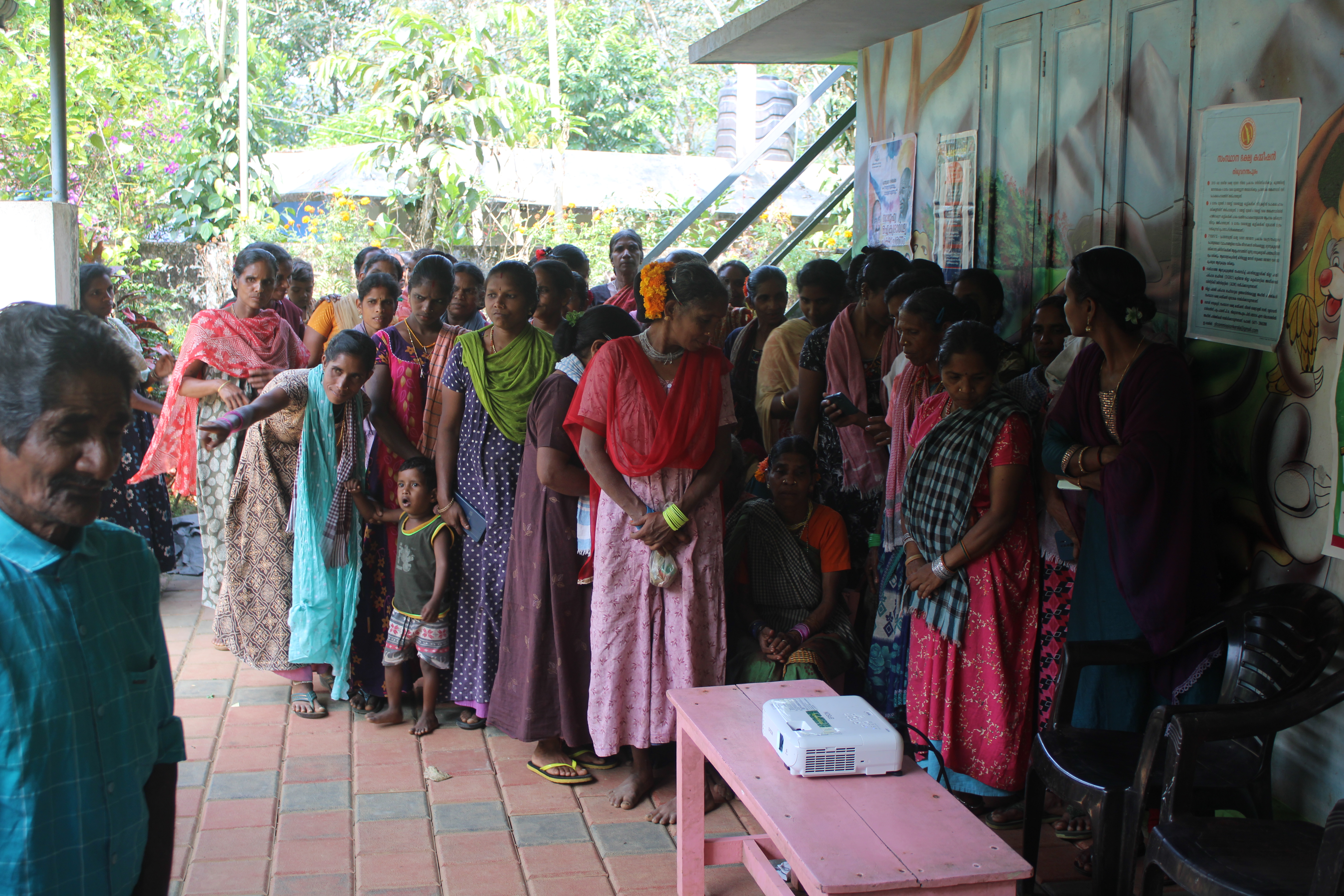
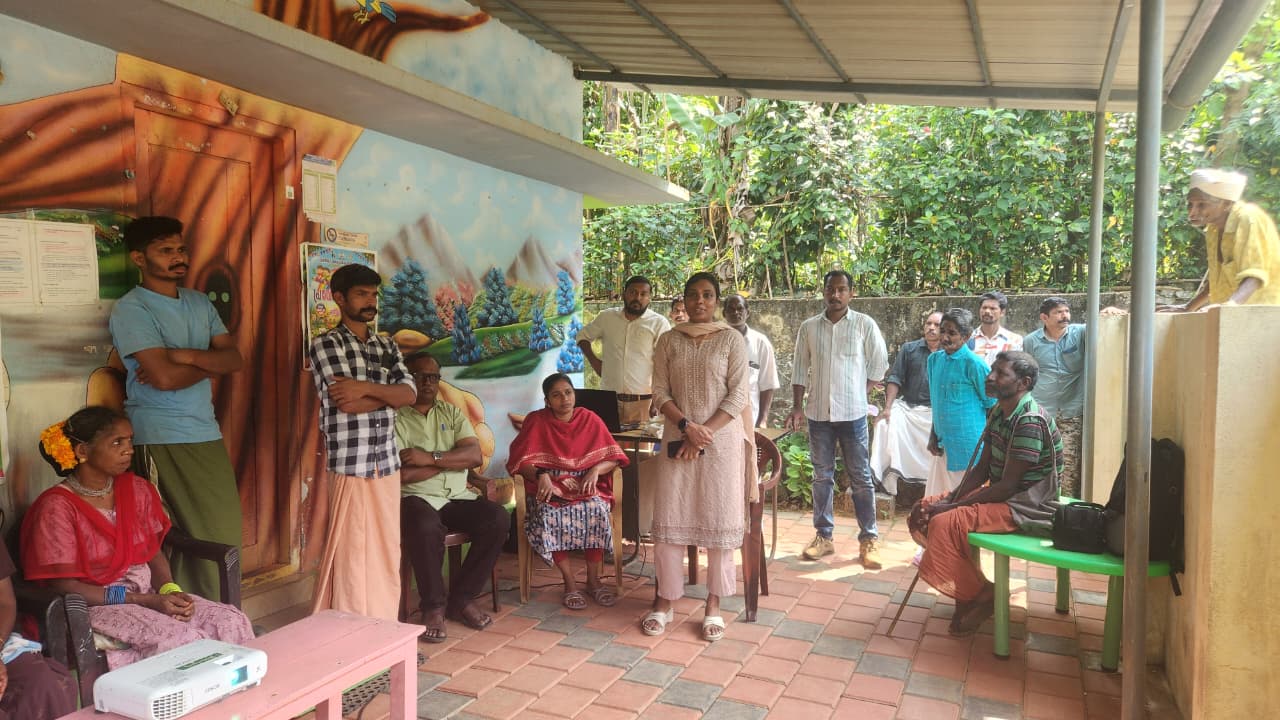
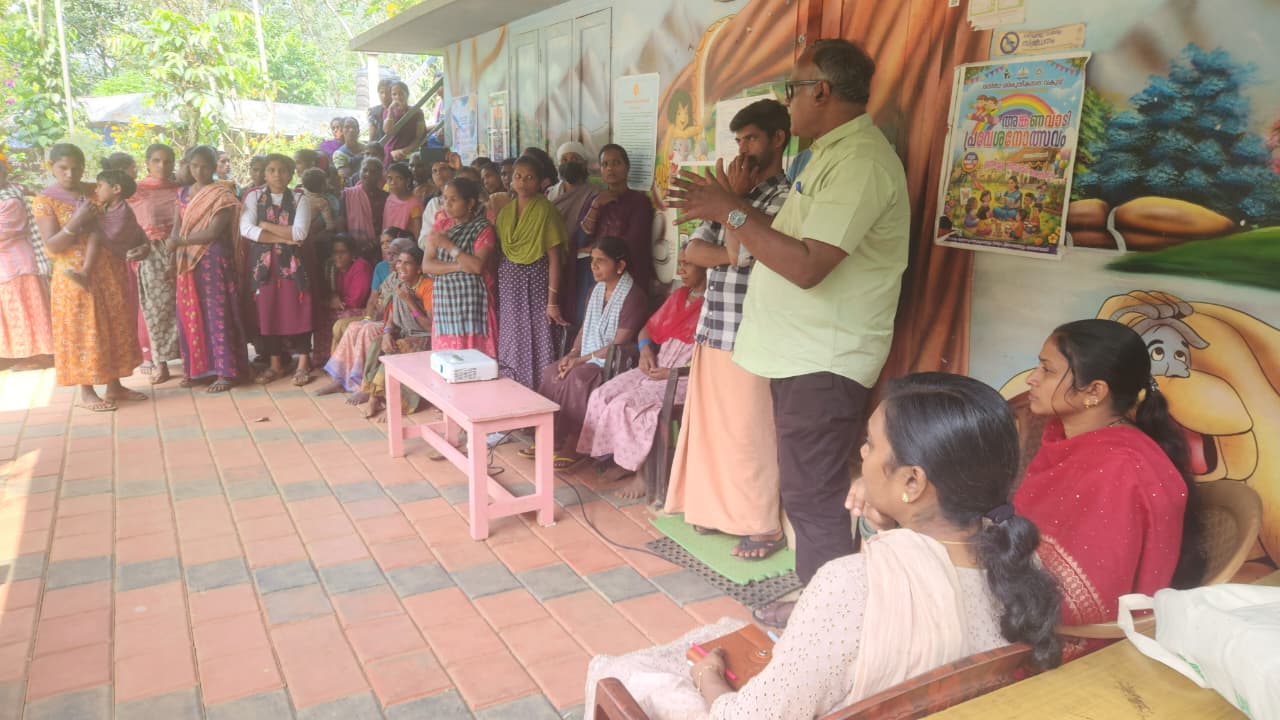
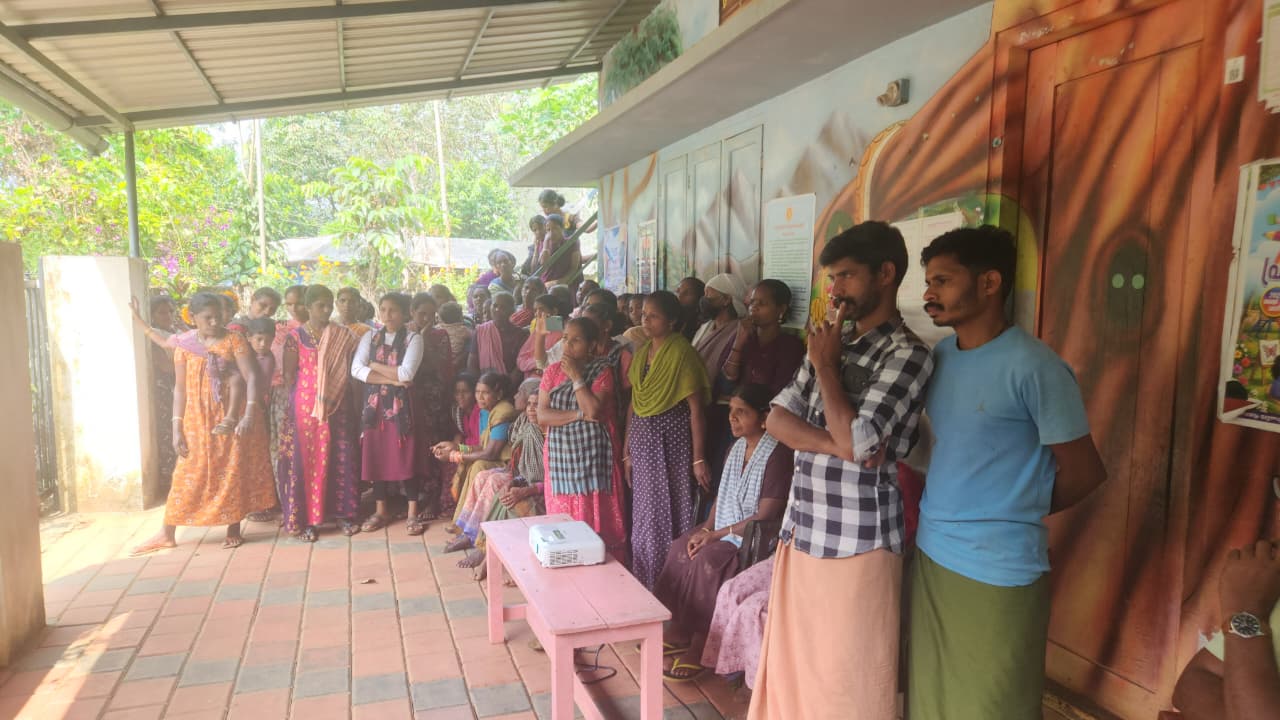
The safe drinking water project for the tribal hamlet of Chikkanamkudi, Mankulam, funded by the Azim Premji Foundation (APF), has officially commenced its implementation following a community Oorukoottam (village meeting), bringing together Ooru Moopen Muthirappan & community members, representatives of the Forest Department, the local Panchayat, and the Tropical Institute of Ecological Sciences (TIES) to discuss the project and its collaborative implementation. More than 50 community members attended the meeting and participated in the discussions.
The meeting began with a welcome address by Manu, Forest Officer, Mankulam. The programme was presided over by Dr. Punnen Kurian, Director of TIES, and formally inaugurated by Soumya, Range Officer, Mankulam. The gathering provided an opportunity to present the project, discuss the community's drinking-water needs and establish a shared understanding of the implementation process.
Dr. Punnen Kurian, Director of TIES, and Vivek, Chief Engineer, TIES, jointly delivered a detailed presentation on the project objectives, technical design and proposed implementation strategy. The presentation highlighted the challenges faced by the community in accessing safe and reliable drinking water, particularly during the summer months, and outlined the proposed infrastructure to address these difficulties.
The project is designed around a gravity-fed water supply system, enabling water to be conveyed from the natural spring source to the settlement without dependence on electricity for pumping. The proposed intervention includes strengthening and protecting the water source, constructing an infiltration gallery and intake structure, developing storage facilities and establishing a distribution network to provide accessible drinking-water points across the hamlet. The presentation also explained the elevation profile and hydraulic feasibility of the proposed system, along with the planned distribution routes and community tap points. Source protection, safe water storage, equitable distribution and the long-term sustainability of the infrastructure were emphasised as key components of the project. Beyond the physical infrastructure, the project also aims to strengthen community ownership through participation in planning, implementation and future maintenance.
Addressing the gathering, Milka, Ward Member, emphasised the urgent need for the intervention and the difficulties faced by women in accessing drinking water, particularly during the summer months. She highlighted the long distances and daily hardships involved in water collection and assured the community that the Panchayat would extend its support.
She also stated that the possibility of integrating the project with MGNREGA and other relevant tribal development programmes would be explored to facilitate implementation and strengthen institutional support. Anilkumar, Forest Department representative, delivered the vote of thanks and stressed that the success and sustainability of the project would depend on active community participation. He clarified that the community's contribution needs not be financial; rather, collective involvement through labour and support in activities such as trench excavation and pipeline-related works would be vital. He further informed the gathering that the Forest Department would prepare a work schedule to coordinate and organise community participation in the construction activities.
The Oorukoottam marked an important step towards translating the community's drinking-water needs into collective action. The meeting reaffirmed the shared commitment of TIES, the Forest Department, the Panchayat and the community to work together towards improving access to safe drinking water. The project seeks not only to establish reliable drinking-water infrastructure but also to strengthen community ownership, collective responsibility and long-term sustainability through a participatory approach.

Ecological Research Campus, K.K Road, Velloor P.O Kottayam, Kerala-686501(INDIA)
Contact : +91-9497290339
TIES Communication: +91-9633723305
TIES Office: +91-4812957050
Email : info@ties.org.in
Alternate Email : tropicalschool@gmail.com