
2025-12-06
Otters, belonging to the Mustelidae family, are semi-aquatic carnivores and key apex predators in riverine and estuarine ecosystems. Their presence is widely recognised as an indicator of healthy, balanced waterbodies. Classified as Vulnerable and protected under Schedule I of the Wildlife Protection Act, 1972, otters in Kerala are increasingly facing negative interactions with humans due to habitat disturbances and rapid environmental changes.
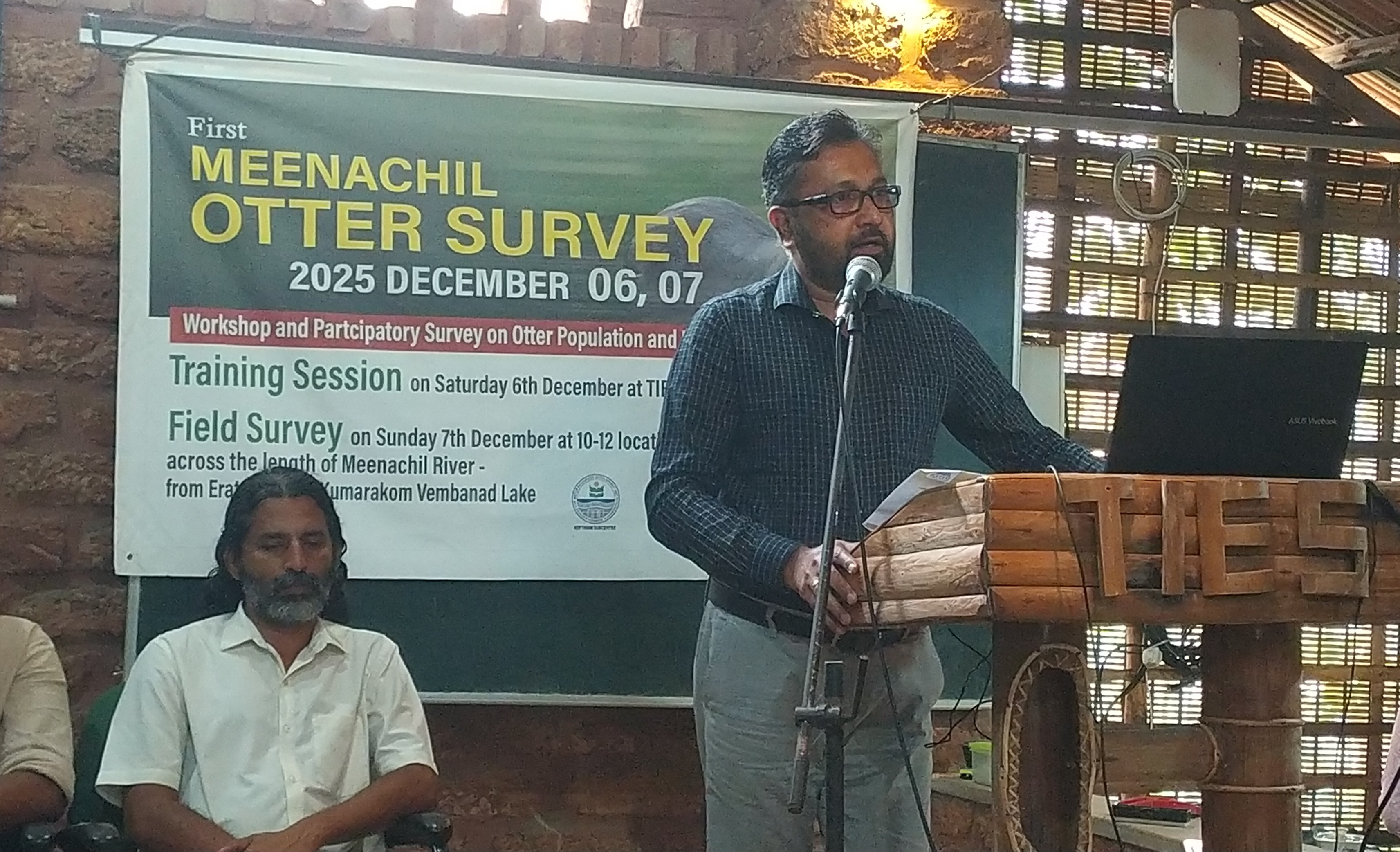
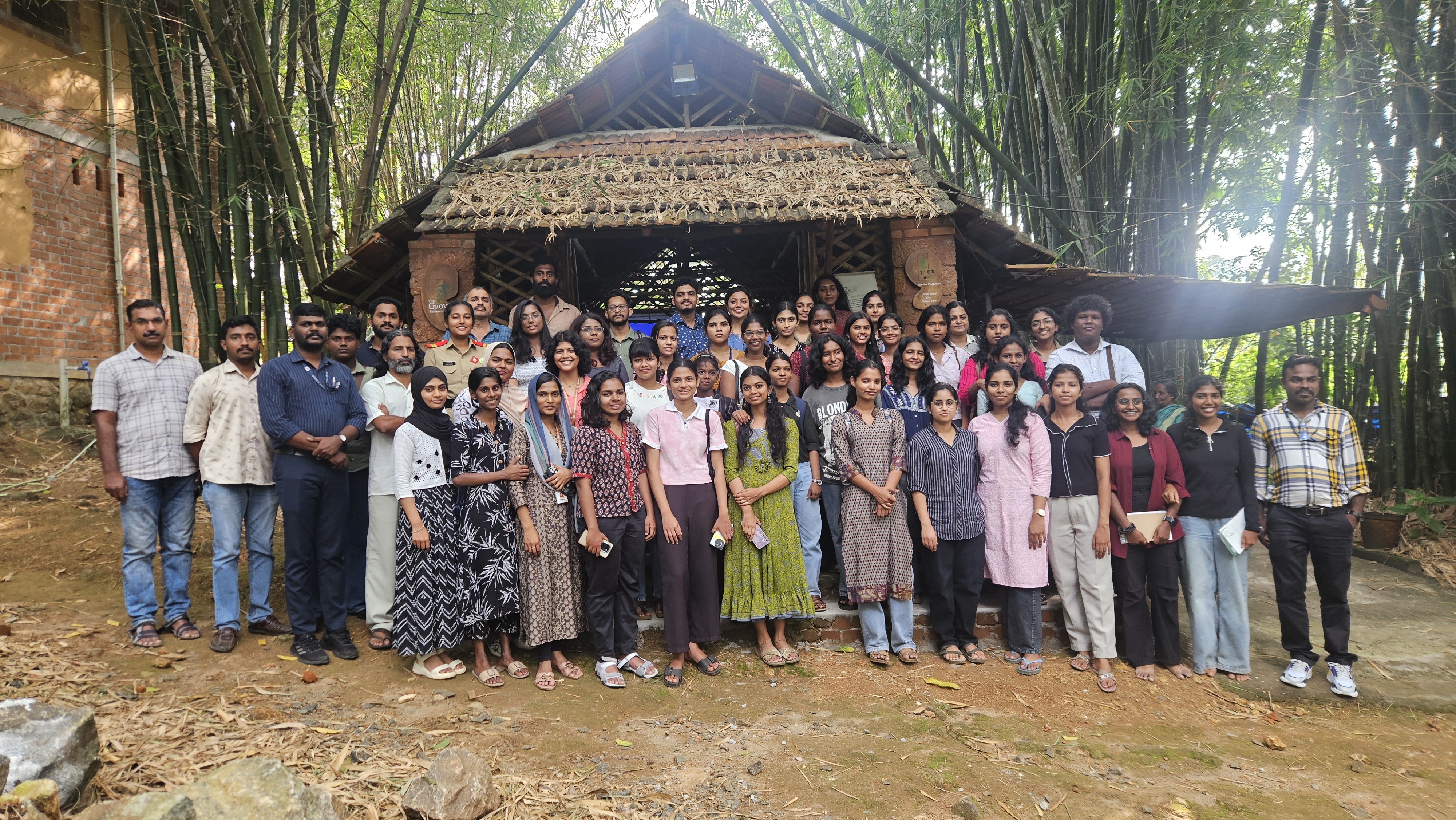
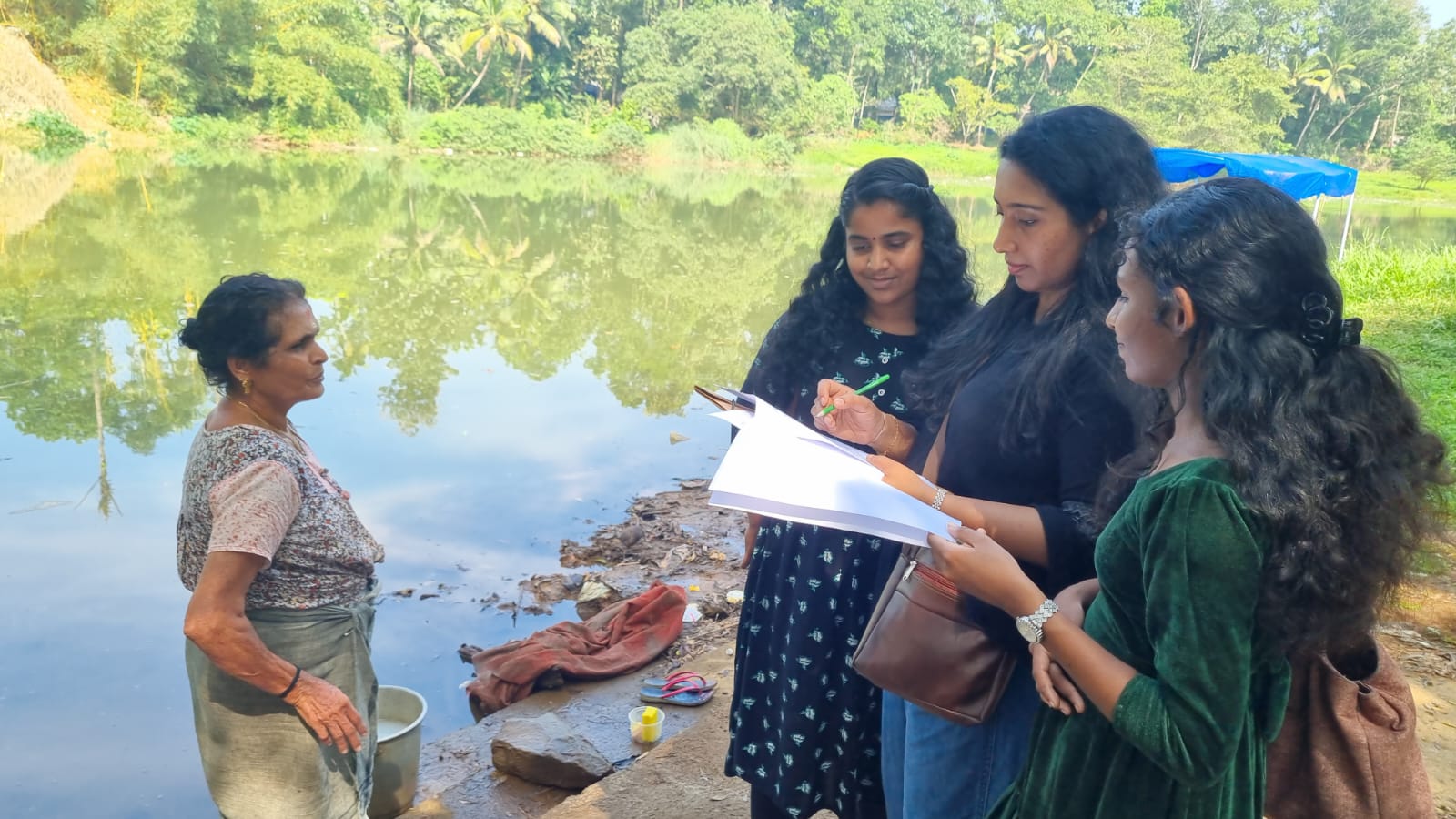
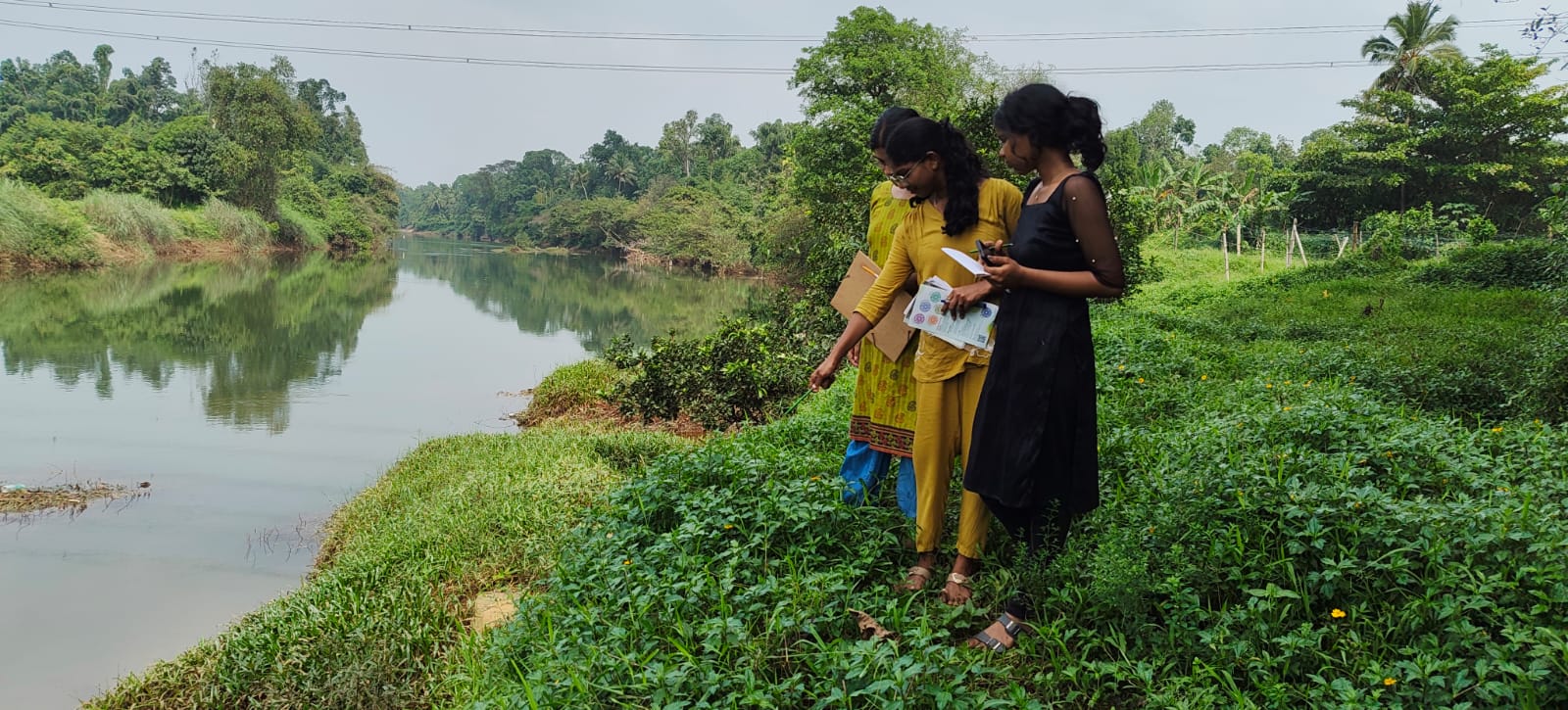
In response to this growing concern, the first Meenchil Otter Survey was conducted on December 6 and 7. The programme was organised by the Centre for Water Resource Development & Management (CWRDM), Sub-centre Kottayam, in collaboration with the Tropical Institute of Ecological Sciences (TIES), in association with the Social Forestry Division, Kottayam, and supported by the Kerala State Biodiversity Board (KSBB). The survey aimed to raise public awareness and assess human–otter conflict through a workshop and participatory field study.
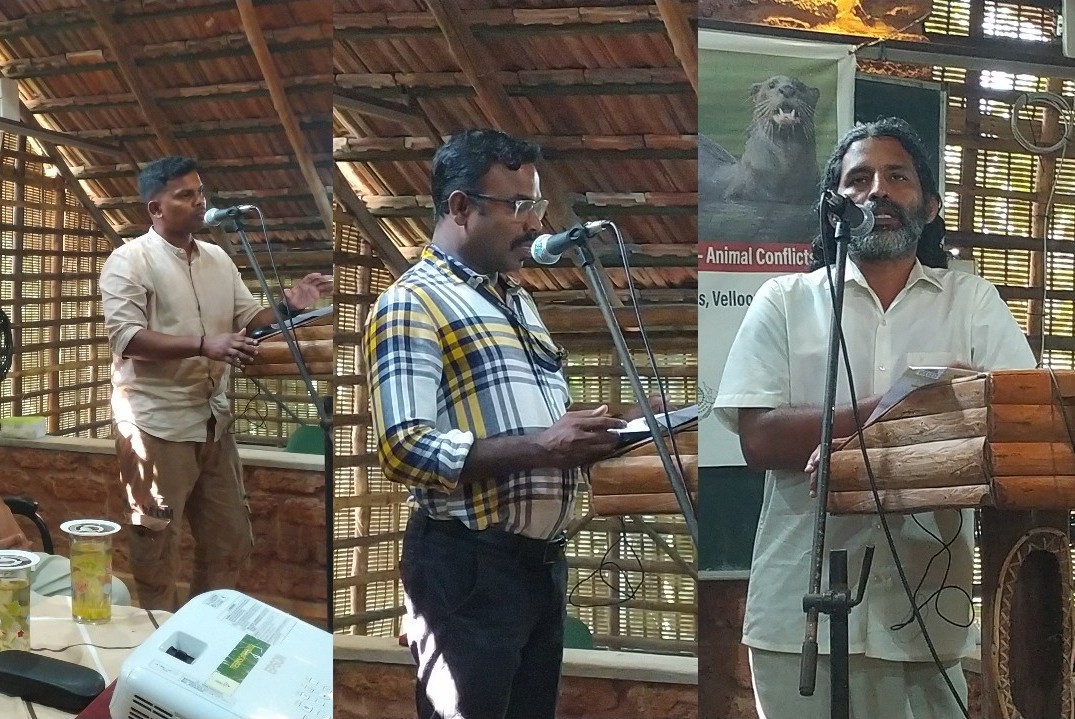
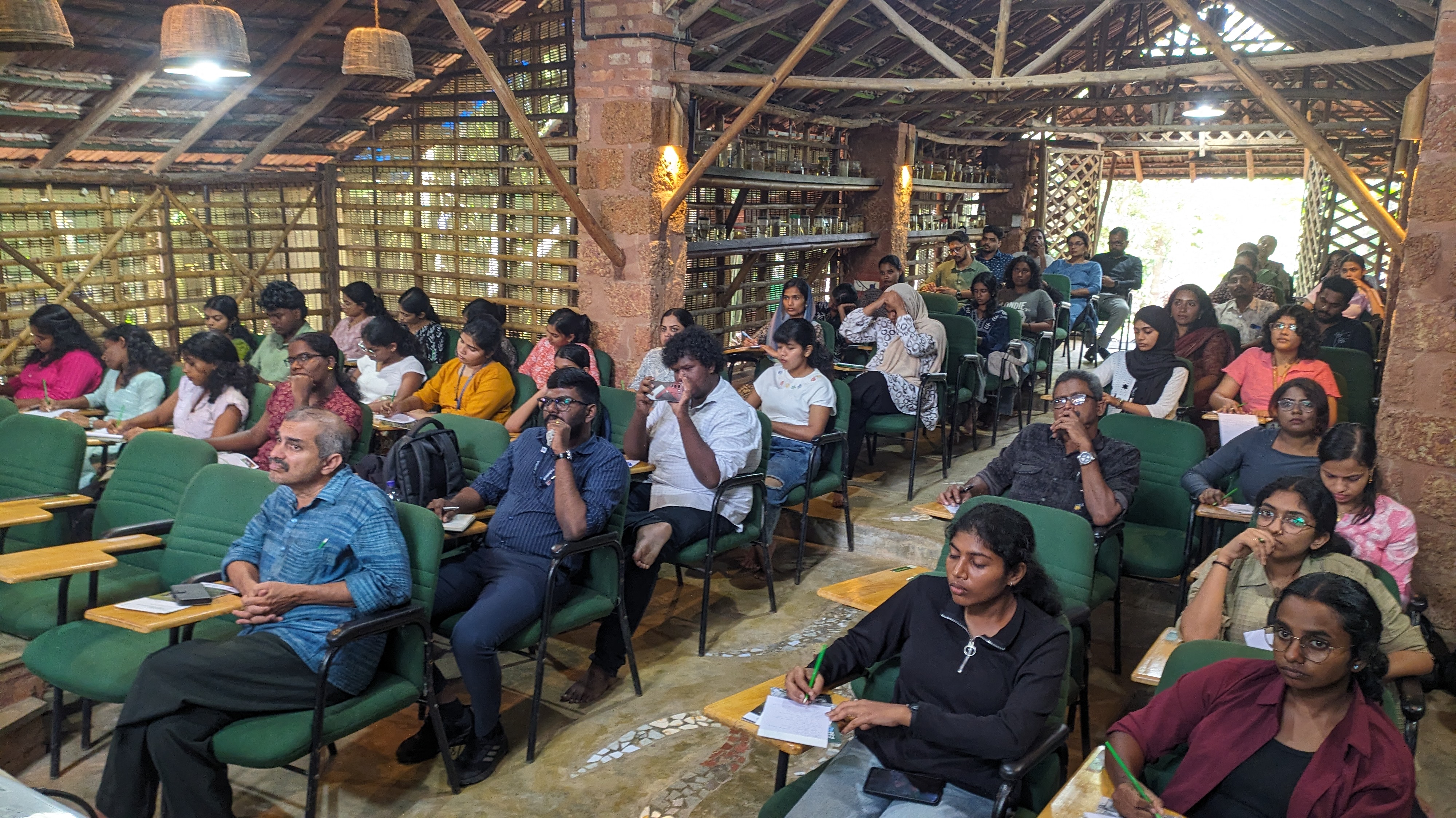
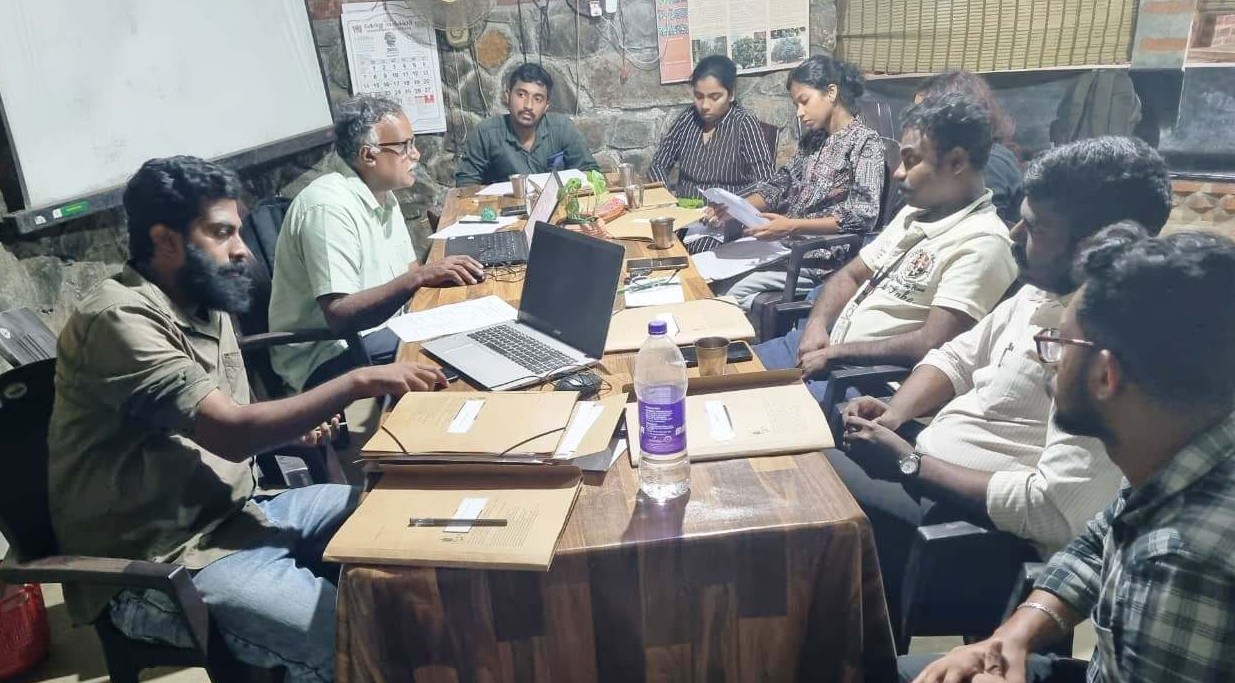
The training session held on December 6 at the TIES Campus, Velloor, began with a welcome address by Dr. Punnen Kurian, Director, TIES, followed by the presidential address by Dr. Nelson P. Abraham, Vice President, TIES. The programme was inaugurated by Dr. Manoj P. Samuel, Executive Director, CWRDM. Felicitations were offered by Thomson Davis, District Coordinator, KSBB, and Harilal K., Ranger, Kerala Forest Department. The session concluded with a vote of thanks by Dr. Jayasooryan, Head in Charge, CWRDM Kottayam Sub-centre.
An engaging session on Introduction to Otters was led by Dr. Punnen Kurian, who discussed otter ecology, behaviour, habitat, and parental care, and emphasised the importance of conservation and public awareness to minimise conflict. This was followed by a detailed session on Field Survey Techniques by Dr. Jayasooryan, covering wildlife monitoring methods and survey planning. Group formation and location assignments were completed thereafter.
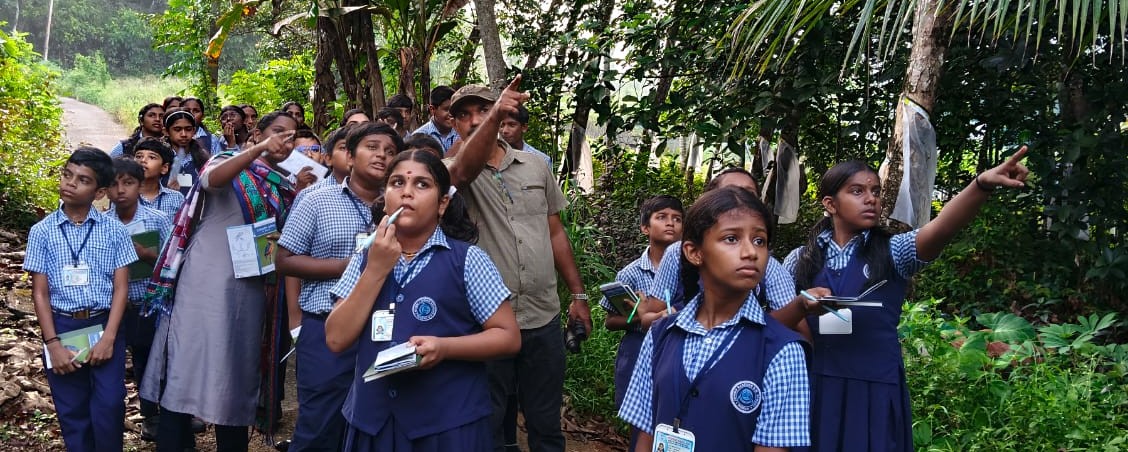
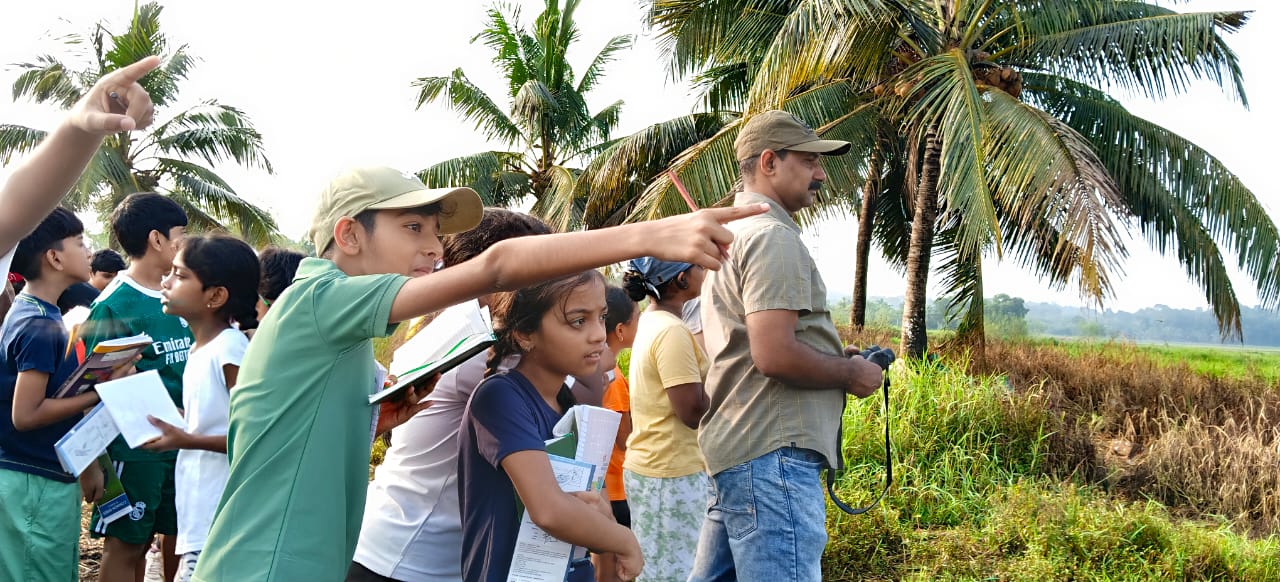
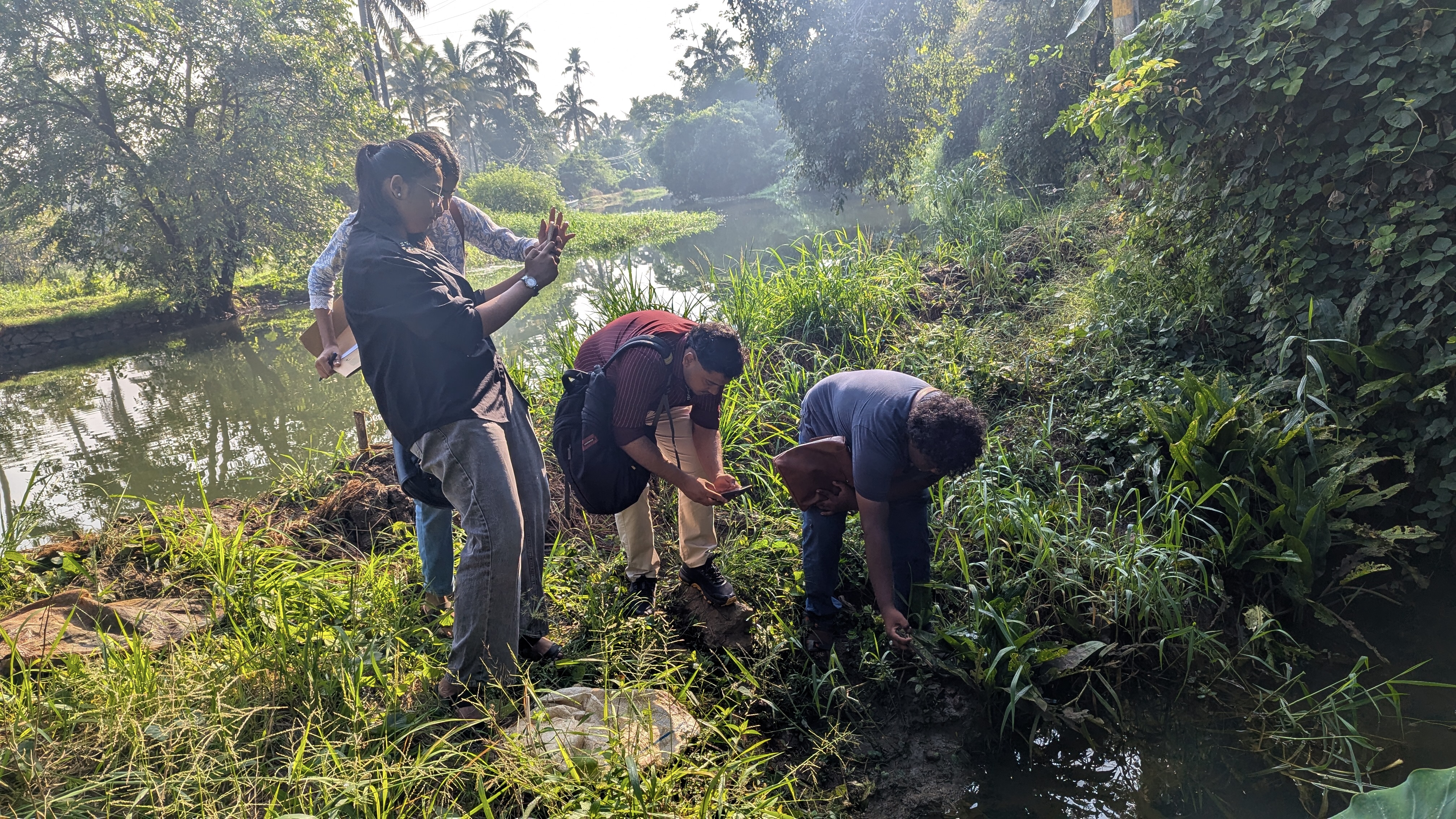
On the following day, field surveys were carried out across 11 locations, including Kumarakom, Malarikkal, Thazhathangadi, Kallumkathara, Chungam, Parampuzha, Thiruvanchoor, Arumanoor, Kidangoor, Punnathara, Kavalipuzha, Chembilavu, Pala, and Mutholi. Participants conducted both direct and indirect observations, with 40 students and research scholars taking part.
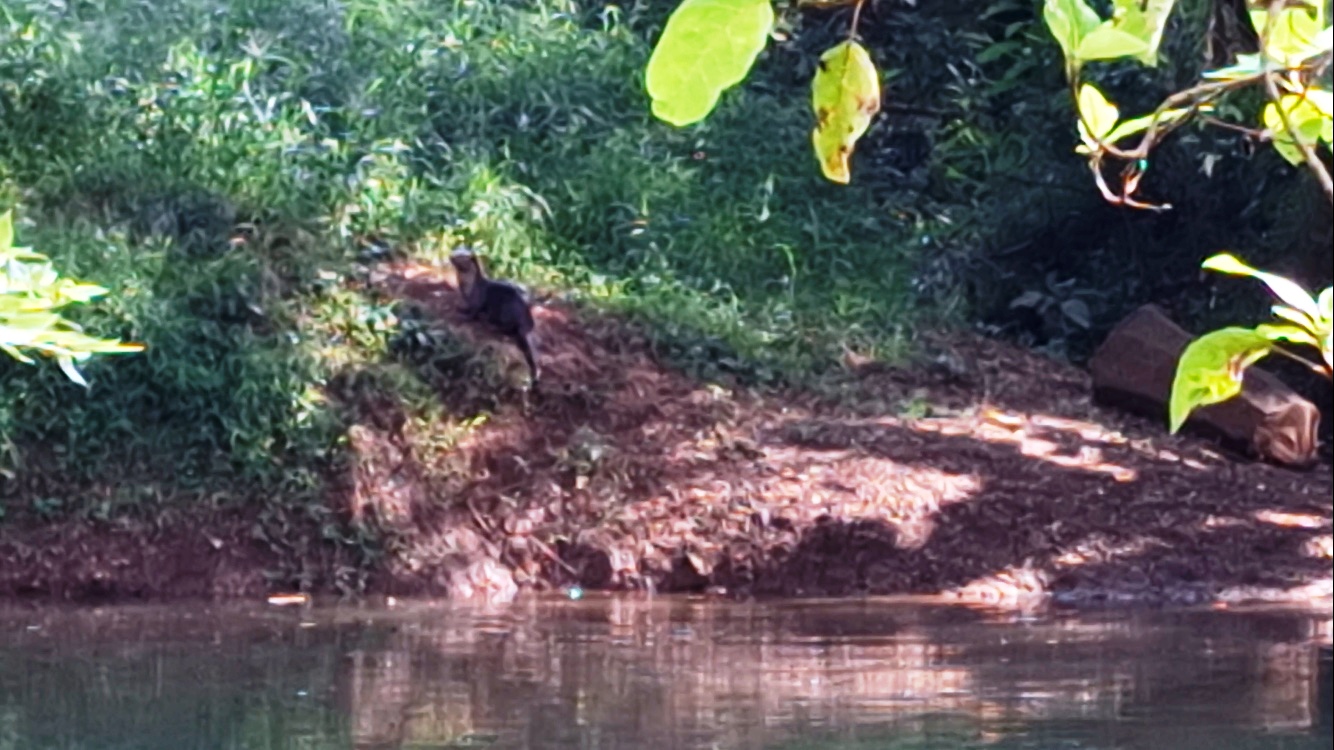
Survey findings indicate that otter presence is comparatively lower in the upper stretches of the Meenachil River and higher in downstream and estuarine areas, particularly in regions with fallow or abandoned paddy fields. Between 5–10 groups were recorded in areas like Pala, Mutholi, Chembilavu, and Kidangoor, while 20–25 groups were recorded between Panampadi, Malarikkal, and Kumarakom. The team sighted one otter at Kumarakom and five at Chungam during daytime. Human–otter conflict was found to be lower in upper river regions but more frequent between Kidangoor and Kumarakom, Around 2–5 cases of otter bites are reported and fish farming nets often suffer damage.
The study recommends creating safe passage routes along rock-lined riverbanks, establishing protected zones using steel netting on piers, restoring riverine vegetation, and ensuring compensation and support for individuals affected by otter attacks and damage to fishing equipment, as mandated by the Wildlife Protection Act.
The survey was effectively coordinated by Dr. Devanand, Dr. Chandni, Sarath Babu N.B., Sreekuttan S.A., Meera Lissa Jose, Nijila Rose Oommen, Thomas Yakub, Arya Shaji, Megha M.M., Jomol Joseph, and Simila Sibichen.

Ecological Research Campus, K.K Road, Velloor P.O Kottayam, Kerala-686501(INDIA)
Contact : +91-9497290339
TIES Communication: +91-9633723305
TIES Office: +91-4812957050
Email : info@ties.org.in
Alternate Email : tropicalschool@gmail.com