
2026-04-25
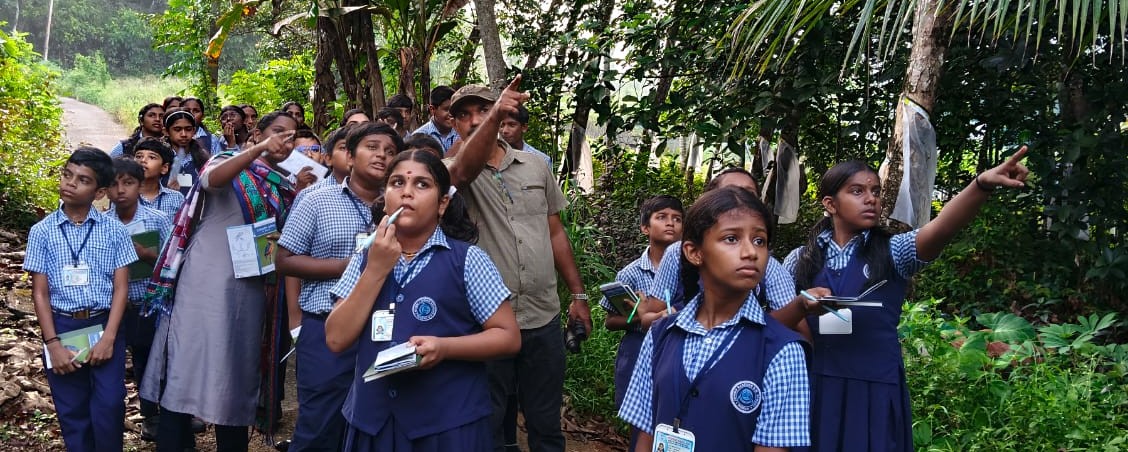
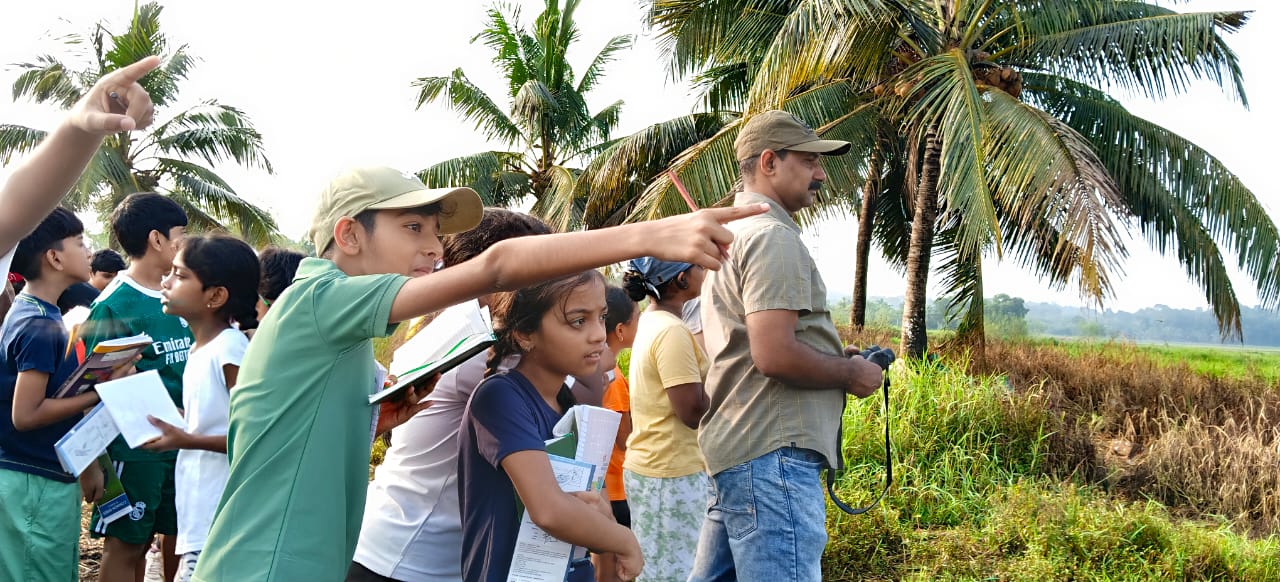
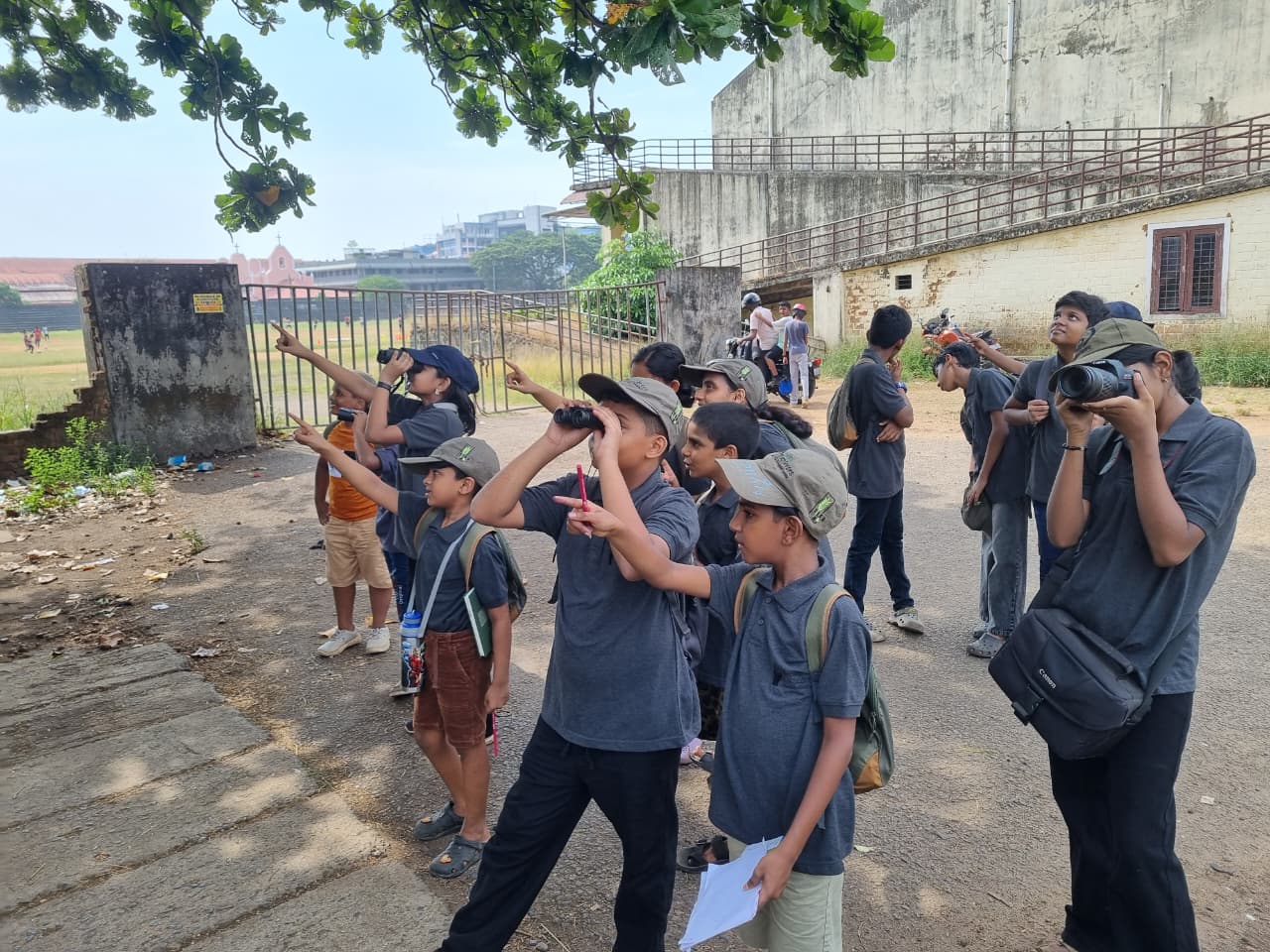
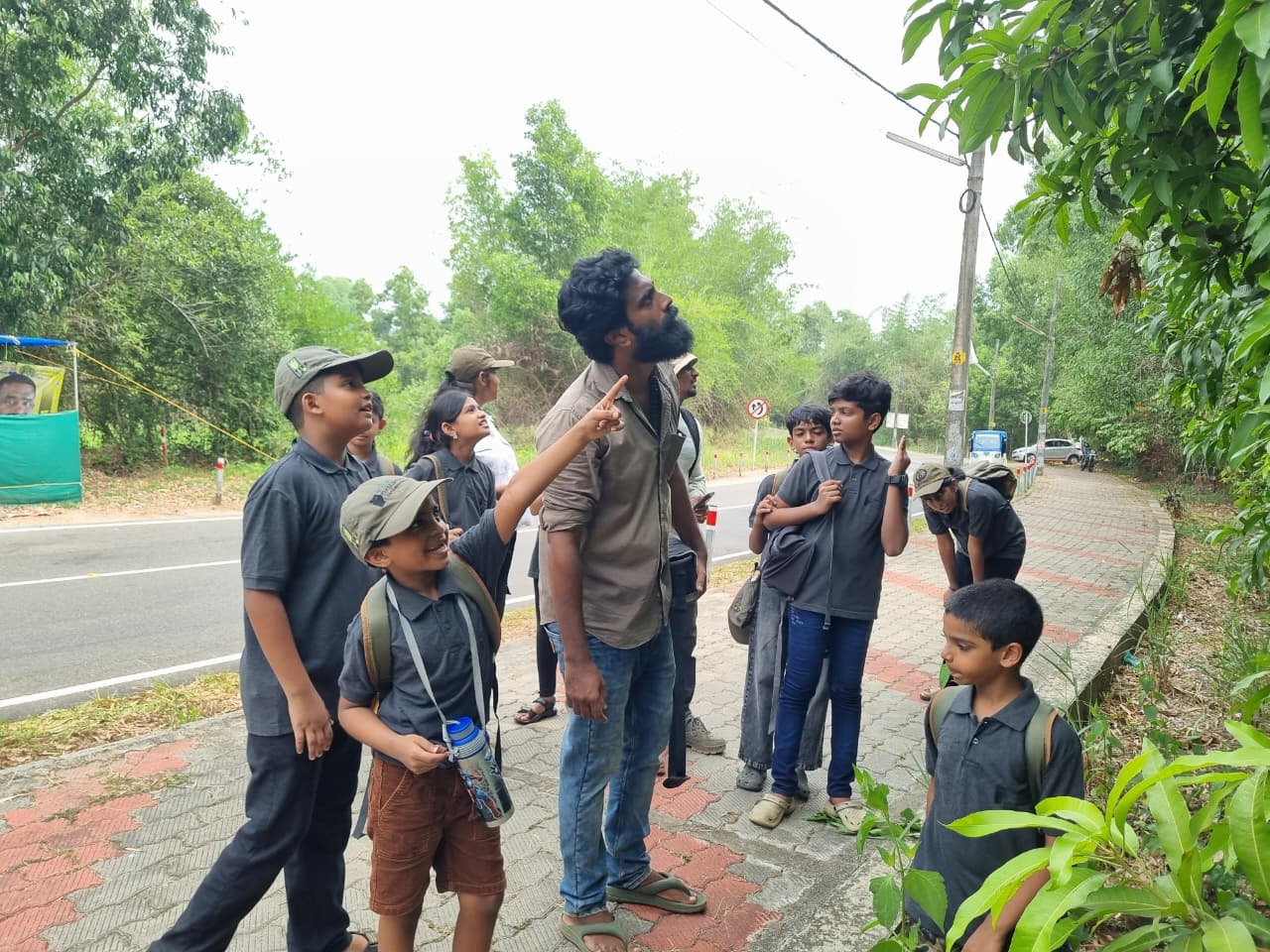
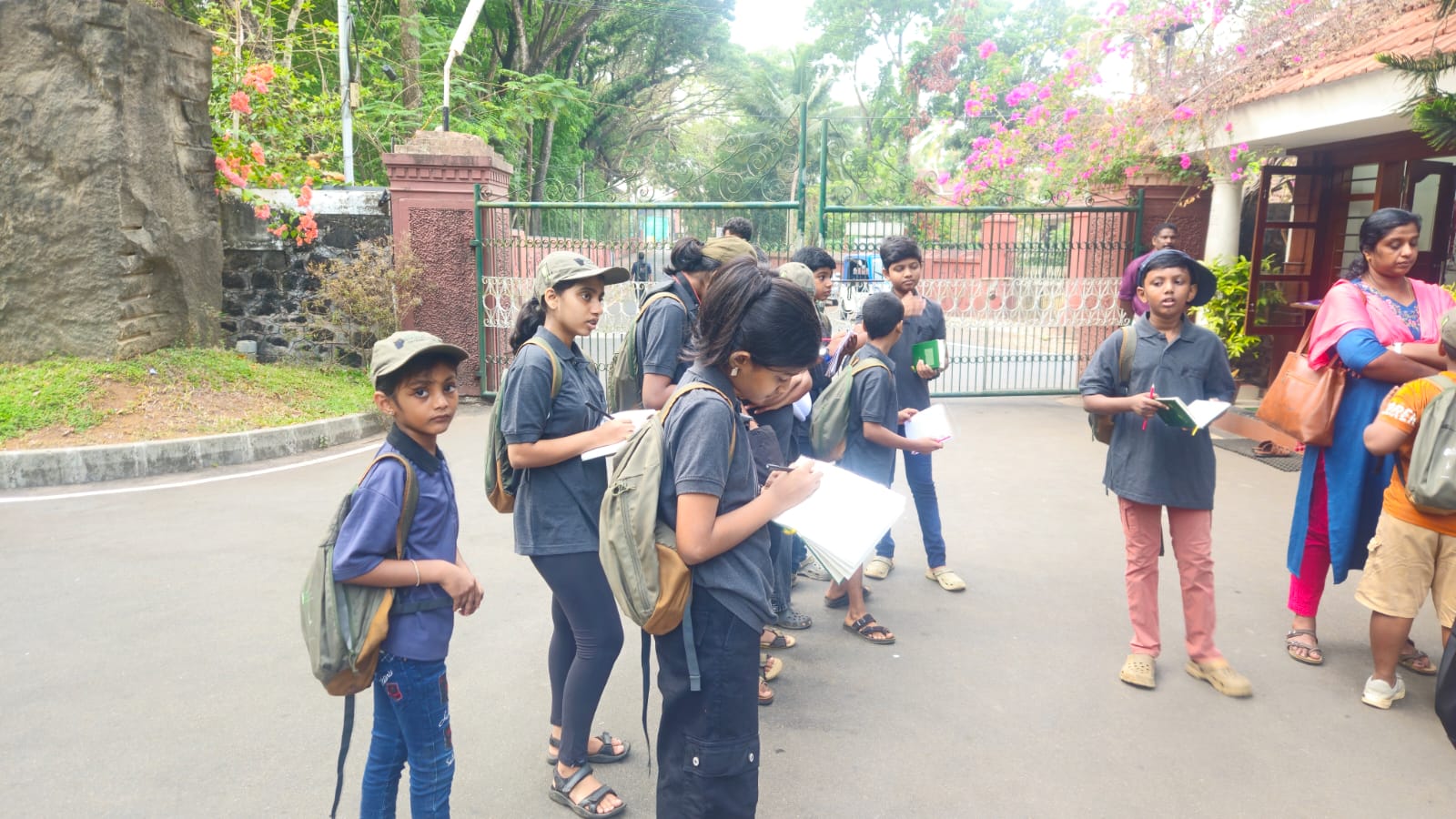
The urban bird diversity of Kottayam has shown a serious decrease, according to the 2025 Kottayam Urban Bird Survey organized by the Tropical Institute of Ecological Sciences (TIES). This year’s survey recorded only 31 species of birds, compared to 47 species documented last year. The bird observations were conducted between 7:00 AM and 9:30 AM. Due to the intense heat, birds are moving towards urban areas where there are more trees. This is considered to be the reason for the change. Additionally, in such hot conditions, birds tend to retreat into tree hollows and dense foliage, making them less visible.
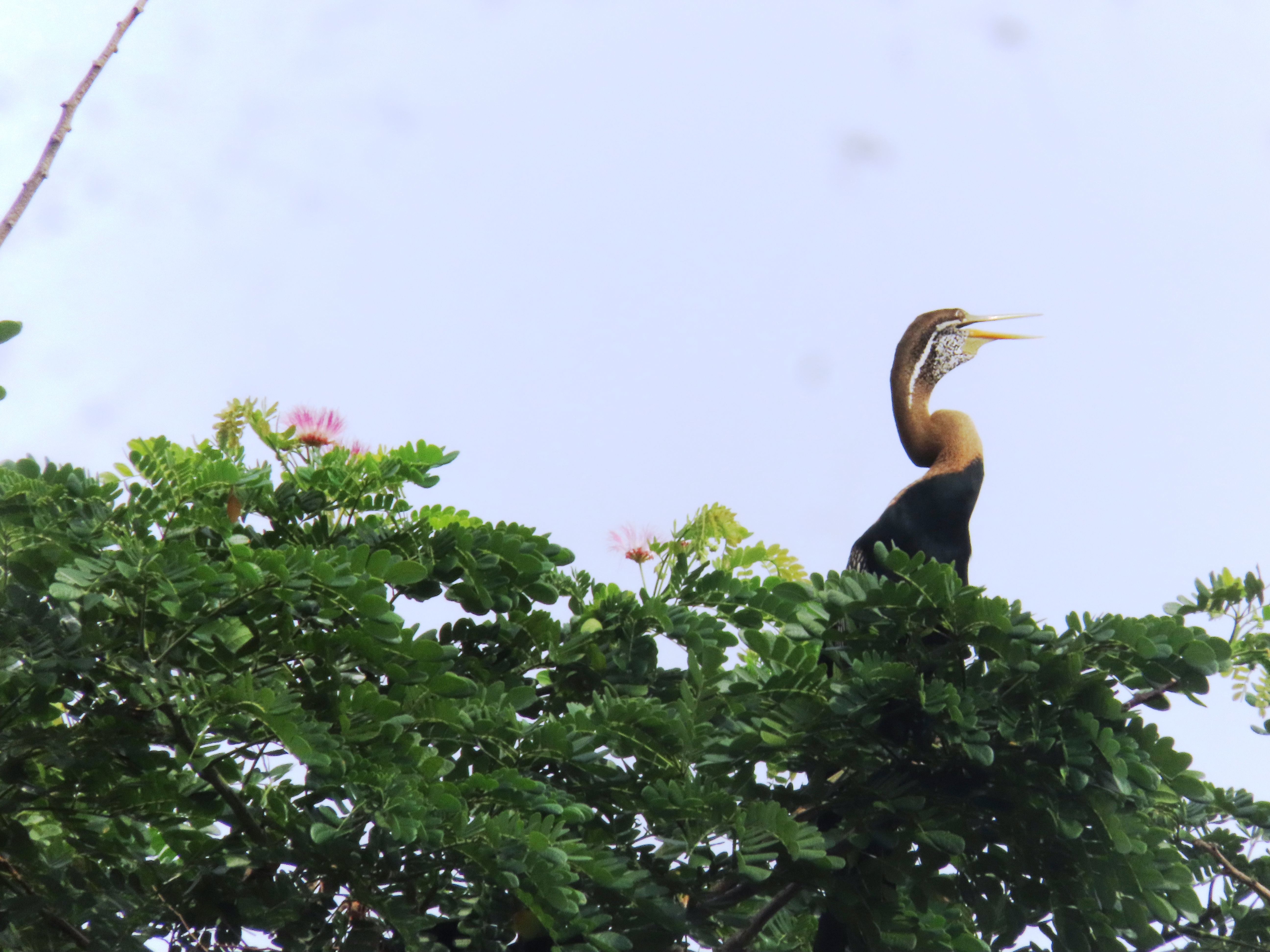
At the heronry near the Nagambadam stadium, a noticeable decline in the number of nests was observed compared to last year. Only around two hundred nests were seen across nine trees. The nests belonged to species such as the Oriental Darter, Little Cormorant, and Indian Cormorant. Last year, approximately six hundred nests had been recorded on these nine trees. It is suspected that the continuously increasing summer heat has affected the breeding and nest-building activities of these birds.
Among the most commonly observed birds were the White-cheeked Barbet, Common Myna, Racket-tailed Drongo, Black Drongo, Rock Pigeon, and various crows. Waterbirds such as the Purple Heron, Oriental Darter were also recorded.
The survey covered in five sectors for systematic coverage. The CMS College Campus recorded the highest bird diversity, followed by the Eerayil Kadavu area. Other important survey sites included the Nagampadam Stadium surroundings, Collectorate, and the PWD Rest House.
The survey was led by a dedicated team including Dr. Punnen Kurian, Ajayakumar M.N., Sarath Babu N.B., Anoopa Mathews, Suhaana, with the active participation of around thirty birdwatchers including TIES Junior Naturalists.
Birds play a crucial role in maintaining healthy ecosystems by aiding in seed dispersal, pollination, and pest control. Their presence is also a valuable indicator of the overall health of the environment.

Ecological Research Campus, K.K Road, Velloor P.O Kottayam, Kerala-686501(INDIA)
Contact : +91-9497290339
TIES Communication: +91-9633723305
TIES Office: +91-4812957050
Email : info@ties.org.in
Alternate Email : tropicalschool@gmail.com