
2026-06-23
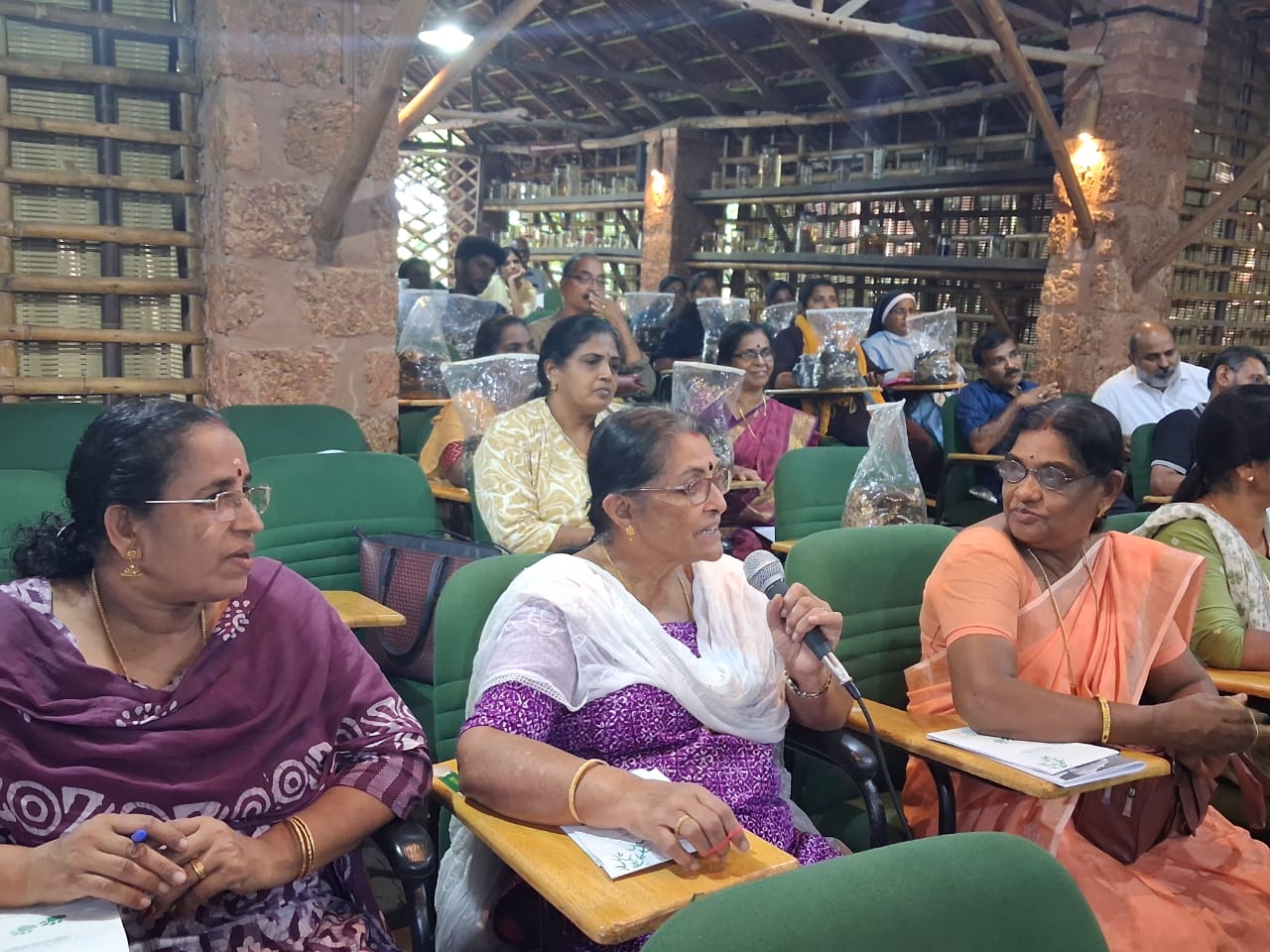
“I have attended many training programmes during my thirty two years of teaching experience, but this session was truly rejuvenating for me. All the sessions were exceptionally well-conducted and highly informative," remarked Mrs. Annamma Jacob, one of the participants of the recent Mushroom Cultivation Training Programme organised by the Tropical Institute of Ecological Sciences (TIES).
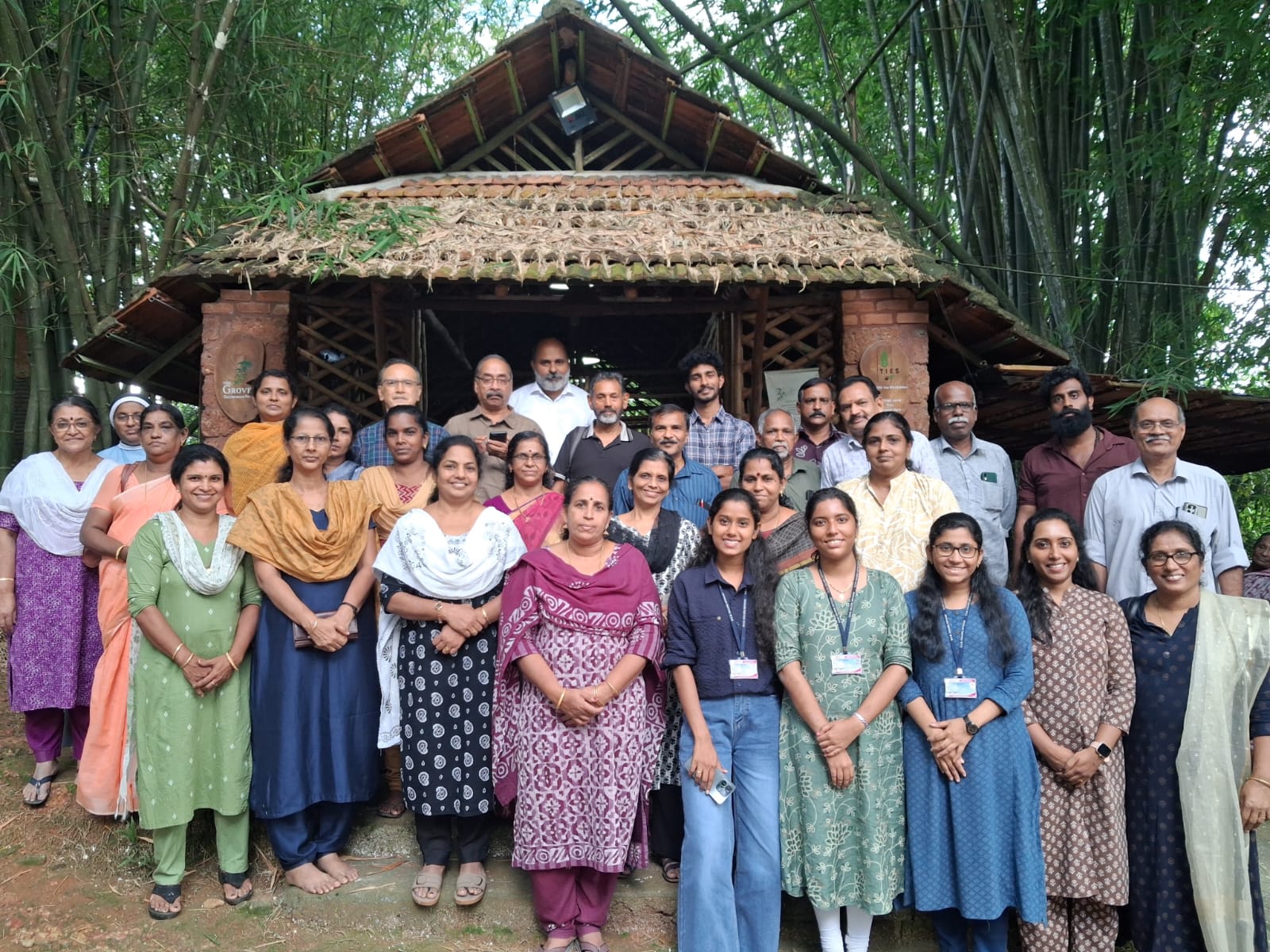
Mushrooms are not only a delicious food source but are also rich in dietary fibre, antioxidants, essential minerals, and healthy fats. Recognising their immense potential as a sustainable livelihood option, TIES conducted a comprehensive hands-on training programme on mushroom cultivation, bringing together 28 enthusiastic participants from diverse backgrounds.
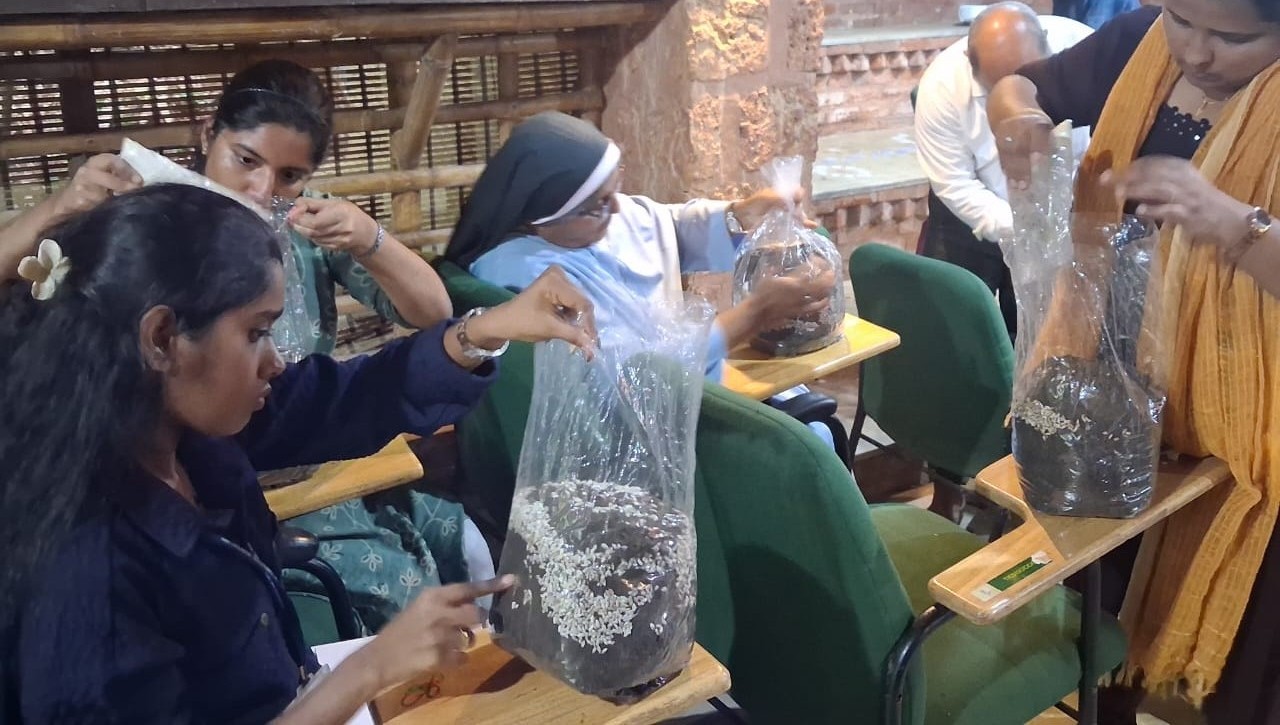
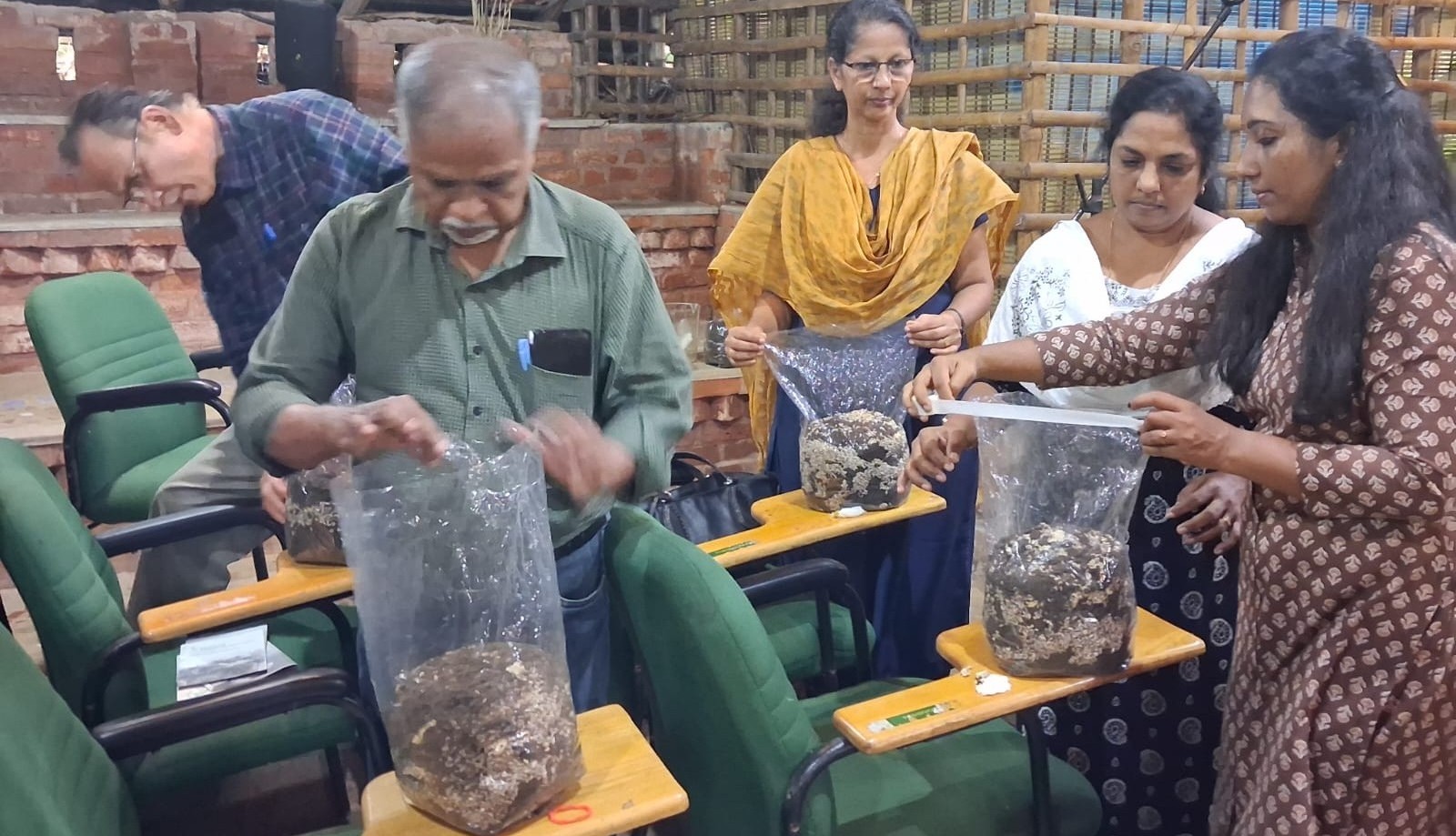
A key highlight of the programme was the introduction of an eco-friendly pellet-based method for mushroom bed preparation. This innovative approach offers a practical and sustainable alternative to conventional straw beds, making mushroom cultivation cleaner, simpler, and less labour-intensive.
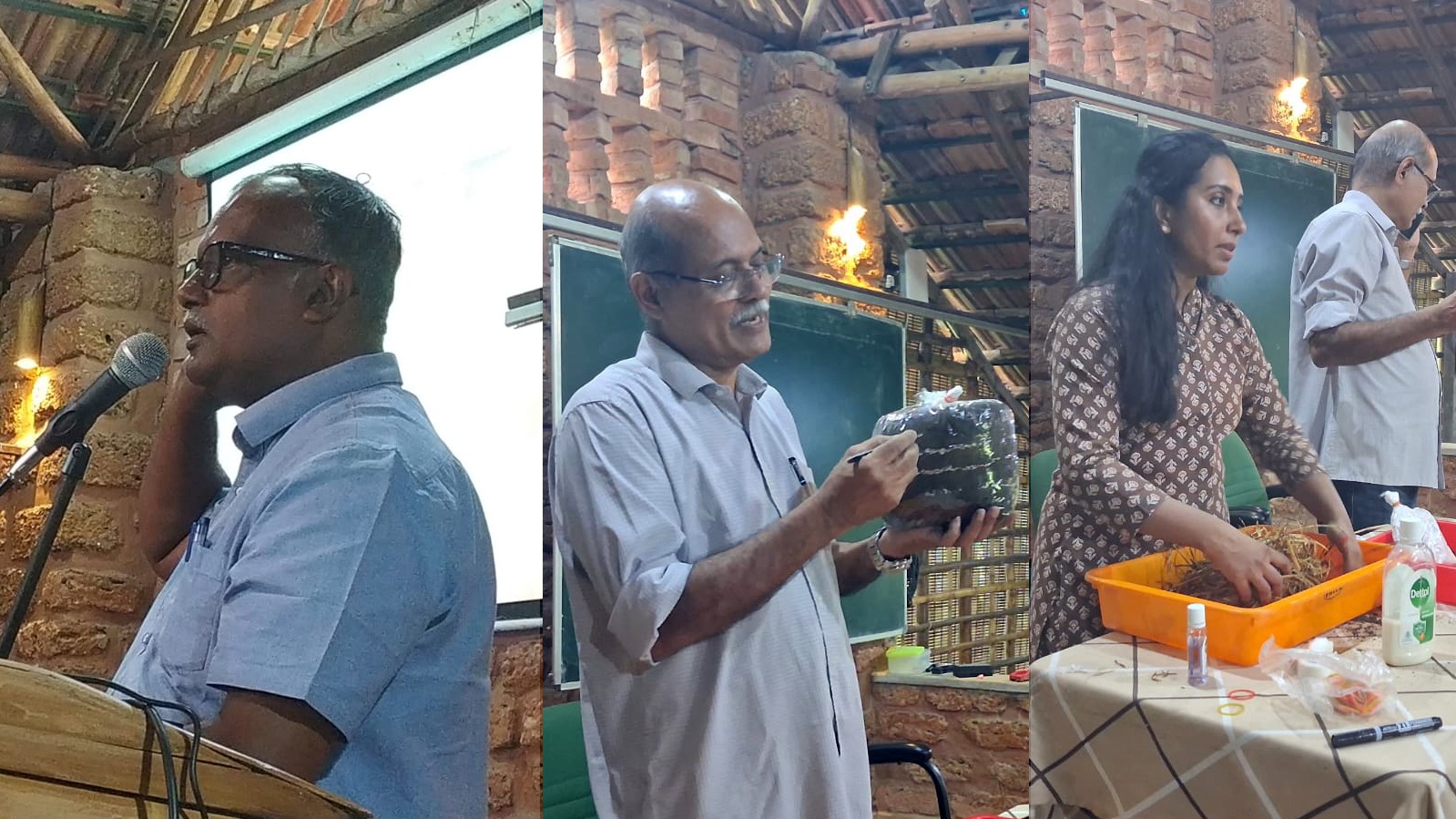
The training programme was designed in two segments: a theory session and a practical workshop. During the theory sessions, participants learned about various mushroom species, tissue culture techniques, mother spawn and spawn production, bed preparation methods, crop management, and post-harvest handling. The practical workshop provided participants with an opportunity to prepare their own pellet-based mushroom beds and gain hands-on experience in the cultivation process.
Participants expressed particular appreciation for the pellet-based cultivation technique, highlighting its advantages such as reduced contamination risk, improved efficiency, ease of handling, and time-saving benefits compared to traditional methods.
The sessions were led by experienced resource persons including Dr. Punnen Kurian, Director of TIES; Prof. Sunny Jose, Former Head of the Department, St. Xavier’s College, Vaikom; and Ms. Raimol, Project Assistant at TIES. The programme was effectively coordinated by the TIES team comprising Mr. Sarath Babu N. B., Mr. Jijomon P. P., and Ms. Megha M. M.
Through initiatives such as these, TIES continues to promote sustainable agricultural practices, skill development, and livelihood opportunities, empowering individuals to adopt innovative and environmentally responsible farming techniques.

Ecological Research Campus, K.K Road, Velloor P.O Kottayam, Kerala-686501(INDIA)
Contact : +91-9497290339
TIES Communication: +91-9633723305
TIES Office: +91-4812957050
Email : info@ties.org.in
Alternate Email : tropicalschool@gmail.com