
2026-03-26
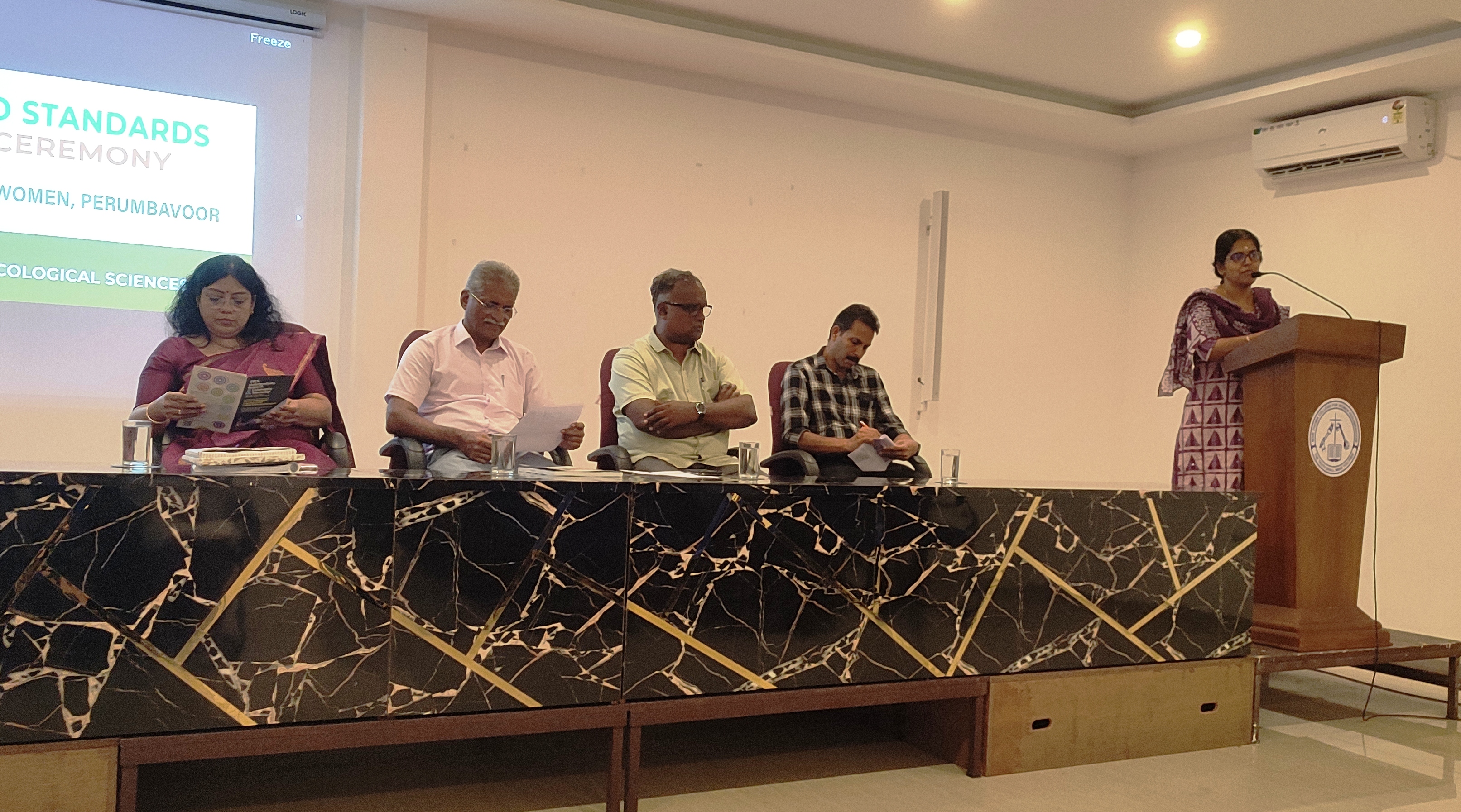
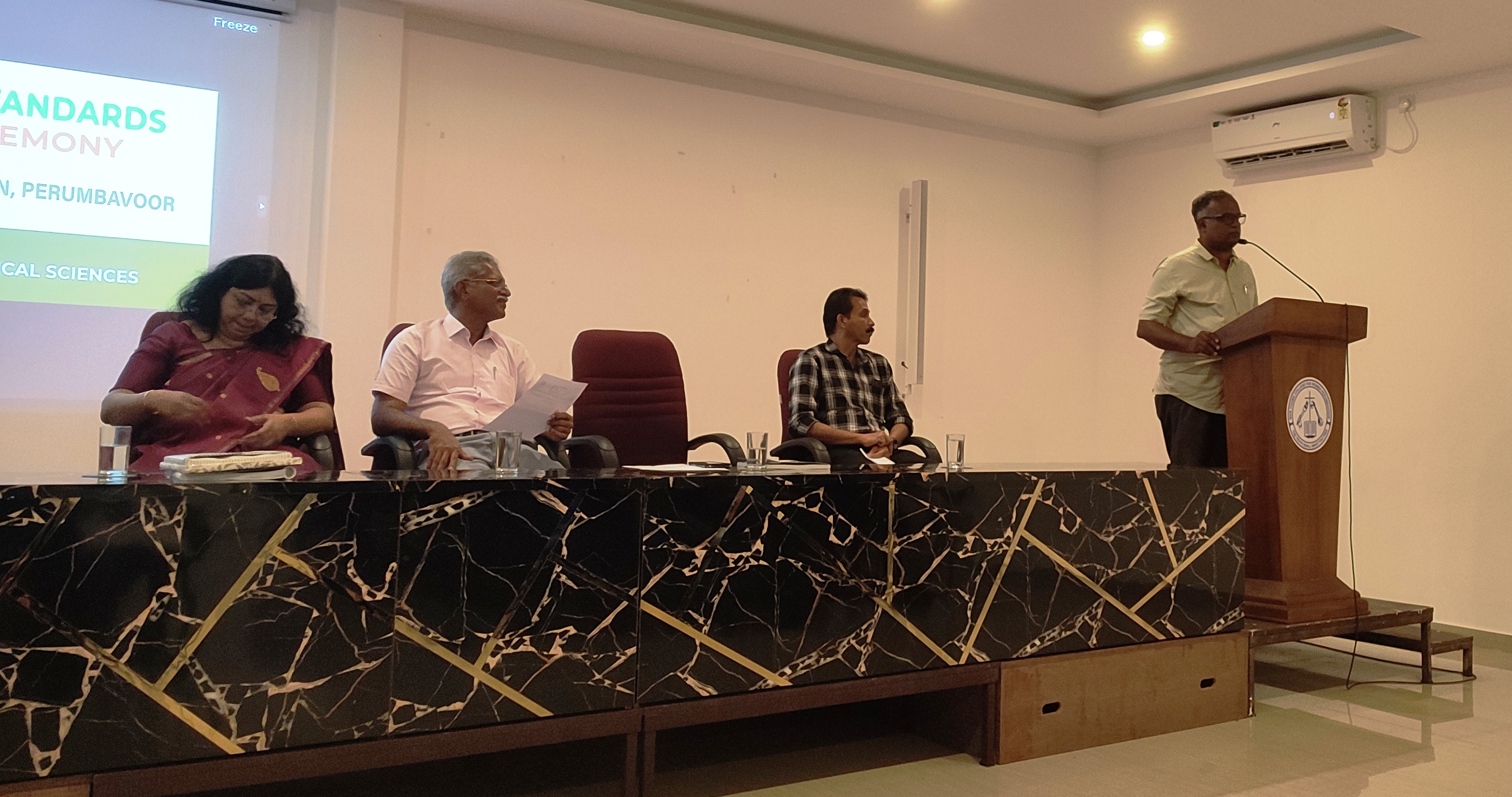
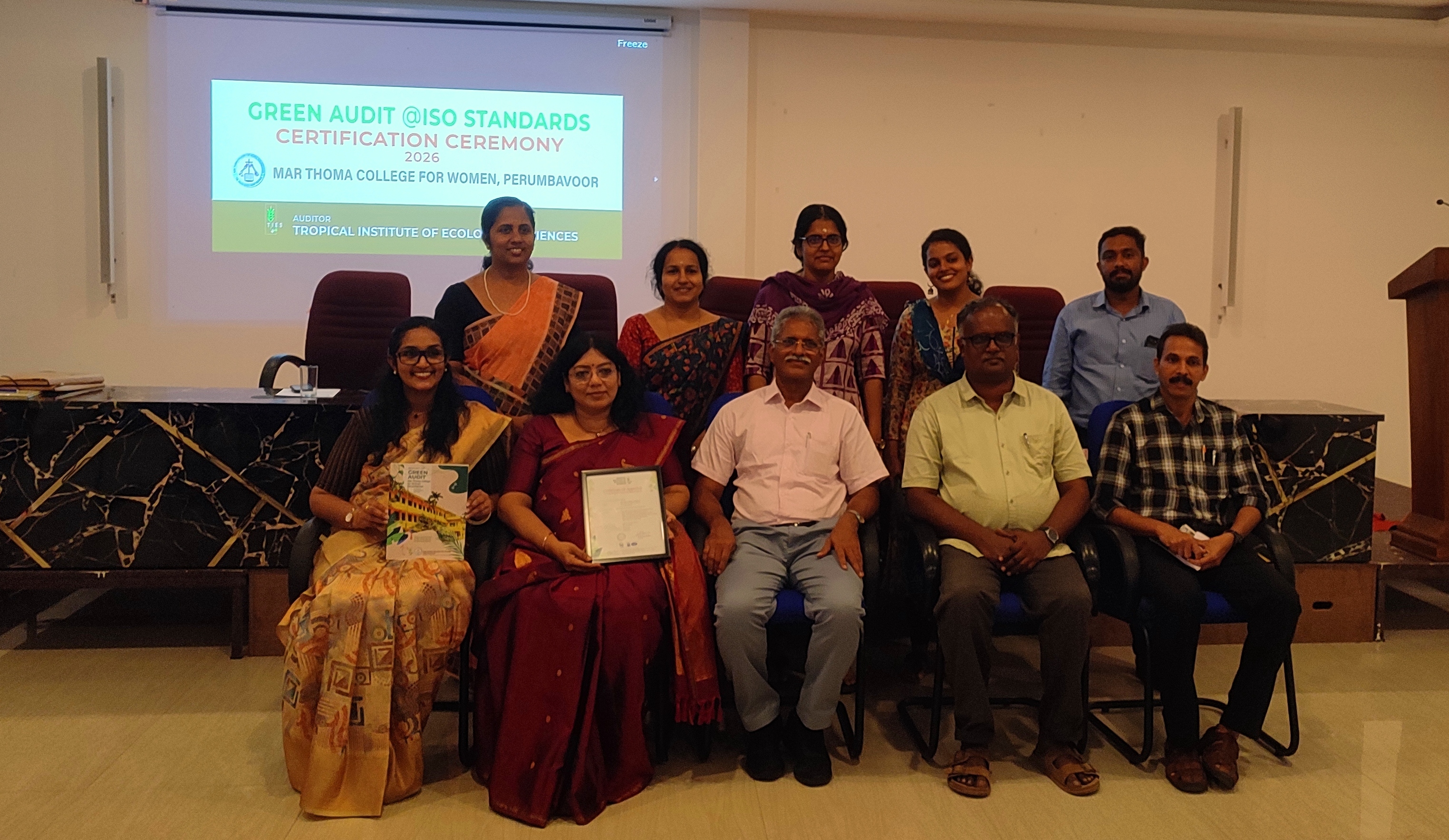
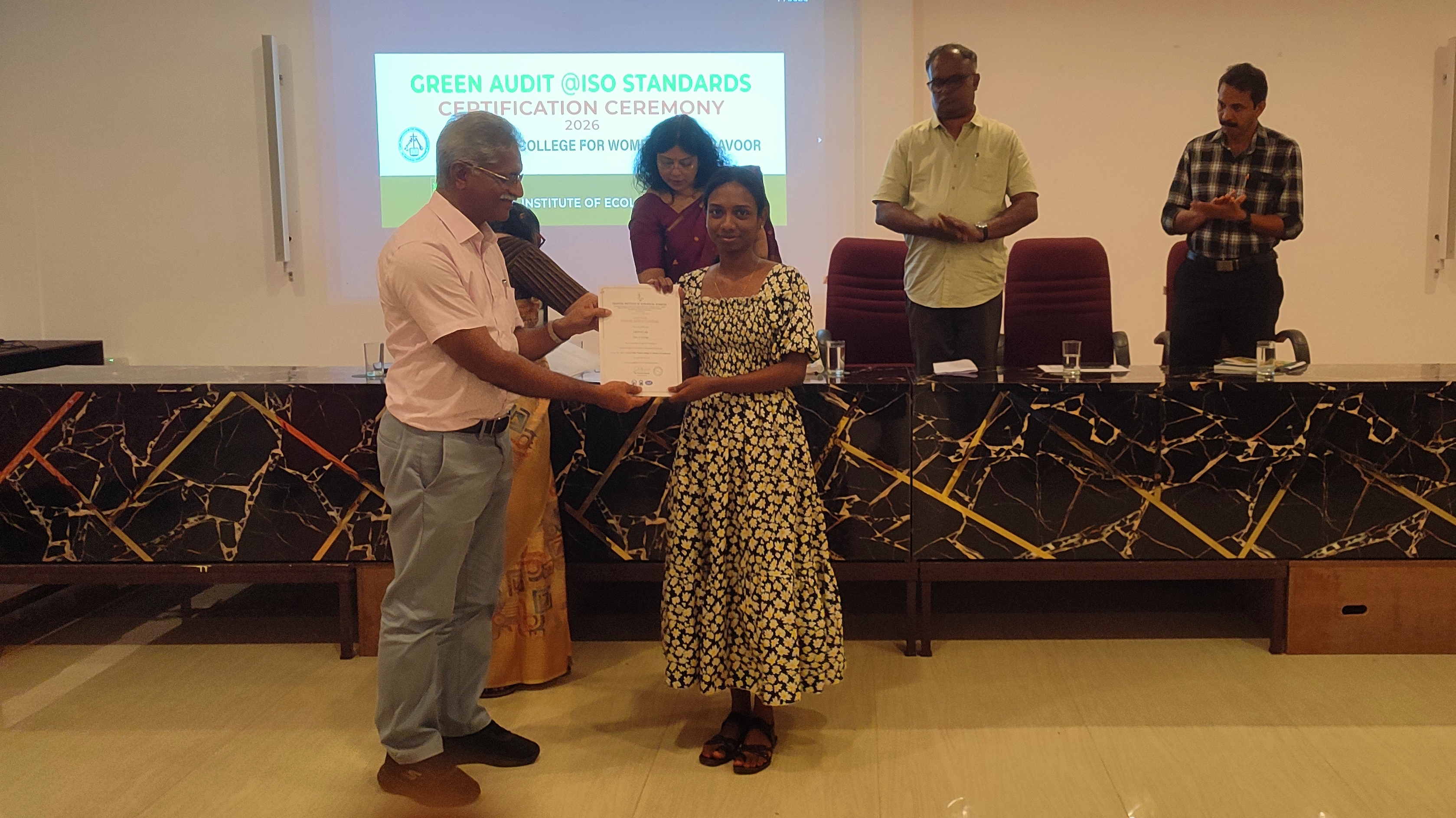
Mar Thoma College for Women, Perumbavoor, achieved a significant step in environmental sustainability with its Green Audit Certification observing ISO standards and the formal release of the Green Audit Report on 26 March 2026 at 2 P.M. in the P.G. Seminar Hall. The audit, conducted by the Tropical Institute of Ecological Sciences (TIES), addressed all non-conformities through certified internal auditors, ensuring full ISO compliance. The Green Audit assessed the college’s key sustainability areas: Environmental Management System (EMS – ISO 14001), Energy Management System (EnMS – ISO 50001), Water Efficiency Management System (WEMS – ISO 46001), Waste Management System (WMS – ISO 14001), Biodiversity Management System (BMS – ISO 14001), Carbon Footprint (ISO 14067), and Occupational Health & Safety (OHS – ISO 45001),reflecting the college’s integration of sustainability into academic, administrative, and operational practices. The program began with a prayer song and a welcome address by EMS Coordinator Mrs. Reemy Sara Mathai. Prof. (Dr.) Letha P. Cheriyan, Principal, presided, while audit division coordinators Dr. Anupama P. (EnMS), Sherin T. Abraham (WEMS), Dr. Jijo Jayaraj (WMS), Mrs. Sunu N.V (BMS), and Mrs. Seira Susan Prasad (OHS) shared insights from the audit. Dr. Punnen Kurian, Director of TIES, outlined the audit methodology and ISO compliance. The Green Audit Certificate was presented to the Principal by Dr. Abraham Samuel, President of TIES, and Dr. Punnen Kurian. Dr. Abraham Samuel addressed the gathering on the importance of sustainable practices. The Green Audit Report was released, and certificates for internal auditors were distributed. Ananya Palakka, Project Manager, Green Audit, and Josepha Priyanka Barla from TIES were also in attendance, witnessing the event and acknowledging the college’s collaborative efforts. Prof. (Dr.) Vineedkumar K., IQAC Coordinator, delivered the vote of thanks, and the ceremony concluded with the National Anthem. With a current carbon footprint of 14.83 kilograms per person, the institution aims to reduce it to less than 10 kilograms per person within a year. This ambitious target marks a very important step toward a greener campus, reflecting a strong commitment to environmental responsibility and sustainable practices.


Ecological Research Campus, K.K Road, Velloor P.O Kottayam, Kerala-686501(INDIA)
Contact : +91-9497290339
TIES Communication: +91-9633723305
TIES Office: +91-4812957050
Email : info@ties.org.in
Alternate Email : tropicalschool@gmail.com